Insights to help your business grow.
Practical guides on financing, cash flow and growth, written for business owners.
All Insights

The Benefits of Strong Credit When Applying for Financing
Whether your business is new or established, your credit profile shapes the options and terms you can access.

How Does Invoice Financing Work?
A flexible way to turn unpaid invoices into fast working capital, without waiting on your customers to pay.
How to Use Business Funding to Get Ahead
Smart ways to put capital to work so your business can grow, adapt and stay ahead of the competition.

How Does a Bridge Loan Work?
Fast, short-term financing that covers your business needs while you secure a longer-term solution.
The Benefits and Drawbacks of a Business Term Loan
Not every term loan runs 5, 10 or 15 years. Here's what to weigh before choosing a short-term option.

How Does a Business Term Loan Work?
If you need financing quickly, a business term loan can deliver a lump sum with fixed, predictable payments.

How Does a Business Line of Credit Work?
Access fast financing whenever you need it, and only pay on what you draw.

The Benefits of Equipment Financing
Get the equipment you need while keeping cash free, with flexibility and financial security built in.
Invoice Financing vs. Invoice Factoring
The key difference comes down to who collects on the unpaid invoice. Here's how each one works.

The Benefits of a Business Line of Credit
The biggest advantage: funding that's available the moment you need it, ready for whatever comes next.

How Does Equipment Financing Work?
A flexible way to save cash, free up capital and acquire the equipment that drives your revenue.

The Benefits of Invoice Financing
More than half of invoices are paid late. Invoice financing helps you keep cash flowing in the meantime.

The Benefits of a Bridge Loan
Designed for businesses seeking short-term financing to bridge cash flow gaps, quickly and simply.

Bridge Loan vs. Other Business Financing
How a bridge loan compares to other options when you need funds fast to close a cash flow gap.

Business Term Loan vs. Other Business Financing
Fast funding and fixed payments set term loans apart. See how they stack up against other products.

What Is an SBA Loan, and Who Qualifies?
One of the most sought-after loans for business owners. Here's what it is and what it takes to qualify.

The Different Types of SBA Loans
SBA loans offer some of the largest amounts and lowest rates available. Here's how the main programs differ.

How to Get the Best Rate on Equipment Financing
What lenders look at, and how to secure low rates whether your equipment is new or used.

The Benefits and Disadvantages of an SBA Loan
Large amounts and low rates make SBA loans popular, but they're not right for everyone. Here's the full picture.

When business owners need fast capital, the first source that they turn to is credit cards. Borrowing funds for tomorrow and repaying in the future with interest. A business line of credit (LOC) works in a similar way as credit cards except it offers more flexibility and freedom. When business owners apply for any kind of financing, their credit is a major credit factor in obtaining a business line of credit. For business owners, a line of credit should be considered first versus credit cards.
Business owners fall into a trap of excessively using their credit cards which causes their credit utilization or debt to increase substantially. This would have a negative effect on their credit score. Smart business owners cannot use their credit cards as the sole source for cash. It works as a temporary solution to cover bills but not a feasible solution in covering payroll or paying majority of vendors.
Business Line of Credit Benefits vs. Credit Cards?
Line of credit does not have the same impact on credit utilization as credit cards due. Some of the lenders do not report your payment history to credit bureau, so in the case of missing a payment it would not affect your credit score. It is critical to have a good understanding of each lender’s agreement. When using line of credit, you can draw the funds instantly when approved and repay it more flexibility than credit cards. One of the best attributes that a line of credit offers is that you pay interest only when you draw the funds. Also, you have the most control over your working capital needs.
With flexible terms and more control, lenders would auto debit your checking account which makes your life much easier. When comparing both options, line of credit rates are usually lower than credit cards. It also provides higher credit limits than credit cards. When businesses are trying to expand, having a higher credit limit is extremely vital. With credit cards you are limited. Business line of credit is a good layer to businesses operations and working capital requirements. Moreover, when unexpected expenditures arise.
Unsecured or Secured Line of Credit, Which One Is More Suitable?
When speaking with business owners, an unsecured line of credit offers more flexibility when applying for capital. Business owners have a major concern with agreeing to collateral part of the secured transaction, making unsecured line of credit more favorable.
Using a Combination of Both Line of Credit and Credit Cards
Positive cash flow along with having enough working capital is extremely important to business owners. Using credit cards shouldn’t be ruled out versus business line of credit as a source of borrowing. Businesses that are well prepared financially should use both a line of credit and credit cards. Business owners on average have more than 2 to 3 active credit cards. Owners of large businesses have as many as 7 to 9 active credit cards. You should evaluate your business and determine what liabilities you can cover with both products. We strongly believe that having multiple financing sources is a healthy way in operating any business.
When choosing any option, you should pay careful attention to the terms and fees that are associated with any lender. Whichever option you decide to choose, just make sure to use both options responsibly. Many business owners take more debt than they could handle. Credit card debt cause many businesses to file for bankruptcy because there are no flexible payment solutions. With a line of credit, you have more flexibility in making your payments and lenders would offer a grace period when you fall behind. With credit cards, there is no set timeline for a payment forgiveness or grace period.
Business line of credit helps businesses to develop a relationship with the lender. The more you use a business line of credit, the more credibility you earn. With a good relationship you can expect to have lower rates, better terms and an increase in approval amount.
What Business Expense Can I Cover with Credit Cards?
- Short-term account payables
- Business supplies
- Limited inventory purchases
- Advertisements and marketing services
- Utility expense
- Credit card processing fees
- Legal fees
- Equipment rentals
- Maintenance and repairs
What Can I Use the Business Line of Credit For?
- Long and short-term account payables
- Cover credit card balances
- Large business expense and purchases
- Payroll
- Business expansion
- Purchase another business
- Equipment purchase
- Purchase inventory
- Major renovations
- Outstanding tax liens
- Partner buyout
- Vendor payment
- Purchase real estate
- Negotiate better terms with vendors
- Hire new employees
While you consider your options, you shouldn’t be discouraged in applying for a business line of credit if you have poor credit score or weak cash flow. We concentrate on other positive business factors such as time in business and type of business. We strongly believe low credit score is not the only measurement of credit worthiness or repayment of debt.
Lenders offer tailored financing solutions and applying doesn’t cost anything or affect your credit score (check with each lender). You shouldn’t worry about your working capital needs or business surprises. When it comes to obtaining capital for your business, we suggest using a healthy blend of both products wisely. Any business should never have one source of borrowing but multiple pathways to obtain fast capital.
What Are the Required Documents to Apply for a Business Line of Credit?
We require a signed credit application that takes around 5 minutes to complete along with 3 months of most recent bank statements. During the funding stage, we ask for a voided check along with driver’s license followed by bank verification. On larger approvals, we may require additional documents such as financial statements for review and verification purposes.
At Creditfy, we use technology that enables us to provide fast approval within hours and at times. We have a seamless and quick funding process and our customers could receive the funds in matter of few hours after collecting all of the required documents. Apply when you’re ready!
Keep Reading
View All InsightsHow Does a Business Line of Credit Work?
Access fast financing whenever you need it, and only pay on what you draw.
The Benefits of a Business Line of Credit
The biggest advantage: funding that's available the moment you need it, ready for whatever comes next.
The Benefits of Strong Credit When Applying for Financing
Whether your business is new or established, your credit profile shapes the options and terms you can access.
Starting up a business could be a difficult path especially when applying for financing. Whether the business path is recent or not, every business owner has experienced some challenges and losses. Benefits of strong credit score is an extremely important credit attribute and your businesses future could depend on it. Especially, when more lenders are rigid about their lending policies. Starting a business with strong and poor credit can be both helpful and negative. Below we would digest this subject more and cover credit score attributes part of financing. The credit score that we are covering is personal credit score as FICO versus business credit score.
What Is a FICO Score?
A FICO score is a 3-digit number that is determined on the information in your credit reports. The FICO or Fair Isaac Corporation debuted FICO scores to provide an industry-standard for scoring creditworthiness of applicants. It’s used to level out the playing field between lenders and consumers.
What Are the FICO Credit Score Ranges?
A credit score is a number that rates your credit risk attributes. It can help creditors or lenders determine whether to give you credit or not. Below are different credit scores that determine the range of excellent, good, fair, poor and very poor credit scores. Data below is provided from Experian data showing a credit pool range:
What Factors Determine Your Credit Score?
Payment History - 35% Weight
Amounts Owed - 30% Weight
Length of Credit History - 15% Weight
New Credit - 10% Weight
Credit Mix - 10% Weight
What Is a Good Credit Score?
A business credit score is a score that determines past behavior of your financial credit actions. The score prominently engages in determining how you perform in paying debts, how many credit cards you have on hand, your payment history, how are you using your credit cards per credit utilization, how long you had credit cards on average and other factors. All of the mentioned determine your score range which is between 300 and 850. Based of Experian data credit measurements a credit score range between 661 and 780 is considered as a good credit score.
Traditionally, a good credit score or excellent credit score would determine how well you can pay off a loan. Lenders classify you on risk grade. Traditional banks as an example only want to see good and excellent credit scores. Anything under 659 is considered as risky and greatly effects approval rates. At Creditfy, we provide loans to businesses with very poor credit scores. We reward consumers more with excellent scores with lower rates. Business owners should not be discouraged if they have very poor or poor credit from applying for financing.
Benefits of a Good Credit?
A good credit score range of 661 to 780 or an excellent credit score range of 781 to 850 helps business owners greatly. Below are some of the benefits that business owners can benefit from in having strong credit.
Access to Expansion and Business Growth
Access to expansion and business growth is based on your ability as a business owner to obtain fast financing when needed. With fast financing and good terms, you can undertake additional contracts or work versus being financially limited.
Favorable Odds of Qualification
With strong or good credit your odds of obtaining an approval is much greater than having low credit score. The lenders are more than often hesitant to lend to businesses that have a poor track record. It’s essential that you maintain a current payment history. If your credit is poor, you can still obtain a business loan. It can yield to a higher interest rate versus and loosing the benefits of not having strong credit.
Favorable Loan Terms and Conditions
You can obtain much better loan terms with stronger credit. Majority of businesses that have proven their creditworthiness obtain longer terms. They get lower interest rates, early payoff discounts and lower origination fees on average as an example. You also have the power of negotiating and asking for lower interest rates! Also an ability to increase your loan approval.
Better Terms from Suppliers and Vendors
With stronger credit, you can obtain favorable terms with your suppliers. Vendors would place more trust in you and provide you favorable terms. Having trust from your vendors or suppliers could allow you to operate your business without the need of financing. The vendor or supplier will be more than obligated to help you obtain better terms in order to secure your business.
How to Build Strong Credit?
Since now you understand the importance of a good credit score, you can adopt better financial habits that won’t derail your score or your ability to obtain financing for your business. Some of the measures below can be taken to increase or maintain strong credit score and achieve full benefits:
- Pay your bills on time
- Decrease existing payment debt or credit utilization
- Review your credit score frequently
- Increase your average time of credit establishment
- Increase or maintain a healthy amount of credit trades
- Avoid hard credit inquiries
How to Check Your Credit Score?
We advise to sign up with Credit Karma that would allow you to access your credit profile without any cost. Sign-up and they will provide a score for you from multiple credit bureaus. They will also show you what drives your credit score to increase or decrease and full benefits. Besides allowing you to access your score for free. They will provide you with various recommendations how to improve your score. We recommended to check on your credit score every month and keep a better track of your financing.
Conclusion
In conclusion, having strong personal credit is an essential factor that could help your business obtain financing. Your businesses future could depend on having good or strong credit. Having strong credit is a ticket to financial independence! VIP pass in obtaining favorable financing terms and very low rates as a big benefits with strong credit. At Creditfy, we provide favorable terms to strong credit scores. We do not shy away from fair or poor credit scores. Speak with us if you have any concerns and see our solutions! We work with all credit scores and circumstances. We look at the overall business picture versus just making our decision on a 3-digit score. Apply when you’re ready!
Keep Reading
View All InsightsHow to Use Business Funding to Get Ahead
Smart ways to put capital to work so your business can grow, adapt and stay ahead of the competition.
Business Line of Credit vs. Credit Cards: Which Is the Smarter Way to Borrow?
Credit cards are often the first stop for fast capital. Here's why a business line of credit can be the better tool.
How Does Invoice Financing Work?
A flexible way to turn unpaid invoices into fast working capital, without waiting on your customers to pay.
Invoice financing is a flexible financial product that many business owners depend on. It’s serves as a way to secure fast working capital. If your business provides goods or services to businesses or municipal governments and you issue invoices to them, you can qualify for this type of financing. Many businesses cannot obtain traditional financing from their bank and turn to alternative lenders that provide this type of financing.
What Is Invoice Financing?
With invoice financing, you have an opportunity to borrow funds against your uncollected receivables. Don’t wait until your customers take their sweet time to cover your invoice. More importantly, don’t let unpaid invoices hurt your cash flow and hold you back from freely operating your business. When you borrow against your invoices, the lending company would provide an advance of anywhere from 80-90% of your invoices value up front. The funds can hit your account as fast as 24 hours. The remaining 10-20% from the 80-90% financing would be retained by the lender as security and would reimburse it after the interest, fees and advance is repaid.
Some lenders could advance up to 100 percent of the invoice amount value based on qualifying invoices. Invoice financing provides business owners with control in terms of how much working capital they need and tap into receivables that they want to pledge.
With invoice financing, the invoice acts as a collateral for the funds received. This type of financing helps businesses to avoid having cash flow issues while waiting for receivables in being covered in the near future. With many businesses, outstanding receivables tend to come late, and small business owners cannot afford to wait.
What Are the Advantages of Invoice Financing?
The major benefit of invoice financing is that applying and obtaining funds all takes online. With a secure and safe online portal, you can obtain an approval and funds in a fast and convenient matter. Businesses can receive funds as little as 24 hours. The repayment period is anywhere from 12 to 24 weeks with automatic debits that would occur from your checking account or give you the flexibility to pay it yourself. It’s more than enough time to get your business affairs in order.
The fast process helps business owners to take better control of their working capital needs by covering cash-flow gaps. When you borrow against your invoices, you can get paid right away. Just think of how many times you collected late invoices. Business owners shouldn’t wait to collect their receivables in order to undertake more work. This product doesn’t have rigid requirements as banks, you can qualify with low revenue, as a new business or with poor credit score. Your credit score and revenue doesn’t play a major role as it would with other types of financing products.
As a business owner you would have an ability to tap into an unlimited capital based on your incoming receivables. With invoice financing, you would also build stronger business credit and retain your cash. When business owners consider any type of financing, one major decision factor comes from collateral. With invoice financing, you don’t have to pledge your business or personal assets to obtain financing except the invoice that you are pledging. Other important factor is that lenders do not ask for personal guarantee, which provides business owners with a peace of mind and security of limited personal liability.
What Are the Qualifications?
The major qualification is the value of your invoices as well as when the invoices are due (30-90 days). Lenders prefer the invoices to be due within 30-60 days versus 90-120 days and offer better terms to business owners due to lower risk. The other major factor is what type of client that owes money for the invoices. The larger the client, the lower the risk and better overall terms. Lenders offer favorable rates and terms to business owners that deal with governments or that have municipal contracts. They also have a list of preferred industries such as retail, manufacturing, healthcare, agriculture or business consulting that could greatly benefit from favorable terms.
What Are the Disadvantages of Invoice Financing?
As with any type of financing product, there are some disadvantages to consider. One of the main disadvantages is high cost or interest associated with this type of financing. The rates based on annual percentage rate could be anywhere from 14-35% depending on the risk and credit factors. Another factor is that fees associated with financing could be anywhere from 2-5%. Besides the rates and fees, there is a limit in who can benefit from qualifying. Lenders do not cover invoices from B2C businesses versus B2B.
Would Customers Know if Their Invoice Has Been Used for Financing?
A business is as good as its cash flow and reputation. When you are obtaining funds from your invoices, your customers won’t know of your cash woes. The lender does not take ownership of the invoice, they just hold it as collateral. With factoring as a similar financing product, you sell your invoice outright and the factoring company takes ownership of the invoice. Your customer would know that you sold the invoice because the factoring company would collect the payment directly from the customer.
With invoice financing you have the freedom of choosing how much funding you need, and which invoices you want to take an advance on. With a business loan, you might take more funds and pay interest on funds that you might not need versus invoice funding where its more custom. This helps businesses to obtain funds fast exactly when they need it. This type of financing is very similar to a revolving line of credit.
Conclusion
Your receivables shouldn’t keep you waiting, as a business owner you need to concentrate in operating your business freely. With invoice financing, you are covering your cash flow gaps and saving cash for other business expenditures. At Creditfy, our technology enables us to provide fast business invoice funding. With our fast funding process, we can deploy the funds to you as little as 24 hours. As soon as we receive your invoice, the sooner we can provide funding to your business!
Keep Reading
View All InsightsInvoice Financing vs. Invoice Factoring
The key difference comes down to who collects on the unpaid invoice. Here's how each one works.
The Benefits of Invoice Financing
More than half of invoices are paid late. Invoice financing helps you keep cash flowing in the meantime.
Business Line of Credit vs. Credit Cards: Which Is the Smarter Way to Borrow?
Credit cards are often the first stop for fast capital. Here's why a business line of credit can be the better tool.
Business is complex in nature, especially in a time like this. The pandemic has shifted the scales of finances for all industries and different businesses, whether local or multinational. Financial decisions have an influence over the short and long periods and have influence over the future of your business. Business funding allows other resources to fund you in the chase of expanding your business or operations. Below, we would discuss the various advantages of business financing.
Why Is Business Funding Necessary?
Business funding is necessary because not only it helps with working capital but it’s behind growth. With business funding you can hire new staff, increase sales by spending more on marketing, increasing size of location or making new investments to successful business verticals. Every successful business requires financing at some point or a high amount of cash that could be used as a resource. How does it affect your business? Increasing your cash position reduces the risk of loss or negative working capital, but cash shouldn’t be left parked at bay. Any excess cash needs to be invested back into the business in order to achieve a potential higher internal rate of return or achieve higher business growth.
Your company’s increasing debts by borrowing capital from other resources might help grow your business, but it also comes with a financial risk. The major concern is the knowledge of business financing and leveling a balance between profit and loss. Business financing also allows you to concentrate on increasing sales and forming new business opportunities. Once you establish a base in a specific area of your business with a good concentration of customers, find how you can use business funding to tap into additional territory and customers. Business success comes only when you have the required resources such as having the available funds that can support you before the fruit of success reaches its full growth potential.
How to Use Financing?
Growing your business is not easy when obtaining the financing to take the business to the next level. The question that business owners asks is how do you use those funds to expand and get to the ahead? That question could be answered by first understanding how to manage your resources wisely and making smart business investments. The more you invest, the more growth should be yield.
The caveat is the more you remain unsure of managing your finances and business operations, the more complex the problems tend to become. Before using funding and making smart business investments, the more confidence and knowledge you would gain. Below we would discuss some ways you can manage and control your finances which includes budgeting, financial planning and investments.
Business Financial Planning and Control
Financial operations, specifically those short-term for a business are crucial. Keep an eye on the financial planning and always have control over certain aspects of the business. Controlling financial ratio leads to stronger profit margins, better business forecasting and budgeting.
Financial Ratio Analysis and Oversight
Businesses that succeed tend to have a strong liquidity ratio that allows the firm to compare its growth and trends for the past few months of performance or years. This ratio helps compare the firm to its market. Another ratio, leverage ratio allows a business to understand how much capital comes in the form of debt and if a business can meets its financial obligations. It also helps the business to analyze and forecast the problems that might arise with debt before they do.
Profit Planning and Financial Forecasting
A business doesn’t only need financing, but it needs to plan ahead and project profitability wisely and make proper business investments part of business planning stage. Financial forecasting is an essential need that each business needs to follow and helps the business in making predictions about the future and the impact it might have on the business. It helps business owners to forecast that relative funds are being best utilized and could yield the best return on seeing which business profit channels would show the highest profitability yields.
With proper forecasting, a business owner could develop strategies to estimate demand, predict capacity levels, predict lower revenue or an increase in the future or if the business has enough inventory on hand to meet the demand. Future financial forecasts are vital to help in the estimation of profits and business-related factors.
Business Budget
After receiving funding, a business needs to decide on its budget and how to allocate the new resource properly. It helps business owners to analyze short-term and long-term plans and what business channels should gain from additional funding.
Investing in New Business Channels
Once your business receives the financing, one of the measures of your success is how well you can invest that resource or capital into new business channels. Good investments would yield great business returns on borrowed funds, but unsuitable investments can result in potential loss. As a business owner you need to make sure that you think twice about new investments on utilizing your hard-earned cash or borrowed funds.
Form Business Credit
When you borrow funds and return funds over a certain period of time, you can develop reputable business credit. This will allow you to use business financing in the future at a lower interest rates with more favorable terms. When your business needs more funds to grow, you can require capital from the same lender part of your relationship and payment history.
Conclusion
Business owners who want to grow their business need some sort of financing and borrowing capacity. At Creditfy, we offer the services that you need to get you the best available funds - speak with our representatives! We use technology that helps us to provide quick pre-approvals within hours and funding as little as the same day. Financing your business allows you to introduce life and resources and stay ahead of your competition with concentration on growth. The more debt you pay back within time the stronger reputation you develop. Apply for business financing since it’s an essential tool to get your business to the next level!
Keep Reading
View All InsightsThe Benefits of Strong Credit When Applying for Financing
Whether your business is new or established, your credit profile shapes the options and terms you can access.
Business Line of Credit vs. Credit Cards: Which Is the Smarter Way to Borrow?
Credit cards are often the first stop for fast capital. Here's why a business line of credit can be the better tool.
How Does Invoice Financing Work?
A flexible way to turn unpaid invoices into fast working capital, without waiting on your customers to pay.
A bridge loan works for businesses that are seeking very fast funding, financing that would serve their business needs as a temporary short-term funding solution. Bridge loan name came from financing phase “bridge the gap”. A bridge loan is a short-term option that is used before securing permanent financing. This type of financing is an ideal financing source due to being extremely flexible and offers a very high approval rate.
This type of financing offers business owners with a good amount of time to find long-term financing. The term ranges anywhere from 3-18 months, similar as business term loan. You can obtain fast funding of up to $150,000 without any financials and up to $500,000 with financials. The repayment structure could be tailored on daily, weekly or monthly basis. The qualification process is extremely fast and simple. Applicants just have to provide 3 months of most recent bank statements with a signed credit application. With a very high approval rate, almost any business can qualify even with poor or low credit score, cash flow or revenue.
How Can a Bridge Loan Help My Business?
A bridge loan can help your business obtain working capital quickly. This type of financing is really meant for businesses that have a short-term outlook. It’s used to cover expenses while they seek out more solid and secure type of financing such as business line of credit, equipment financing, business term loan or invoice financing. This type of financing could help you cover unexpected expenses such as paying large utility bills, business purchase, partner buyout, credit card debt, payroll, vendor bills, rent, taxes or other business expenditures.
Many businesses secure bridge financing to purchase real estate and use the capital for down payment or renovations. It works perfectly for real estate or renovations since it increases the equity significantly which helps borrowers secure better terms in the near future.
Additional Bridge Loan Benefits
Besides covering unexcepted bills, you have an opportunity to develop a relationship with your lender and create payment history. Positive payment history could help you secure permanent financing in the future along with better terms. Business owners that do not qualify for traditional financing tap into a bridge loan to build up their credibility with the lender.
This type of financing could be extremely helpful to businesses that experience volatile or seasonal revenue months. Many business owners use a bridge loan to stack up on inventory. It’s a perfect way to buy inventory in bulk and use the capital to secure discounts. Many business owners do not have a lot of inventory on hand especially during the holiday seasons. This financing is an ideal source to meet any demand.
Business owners also use bridge financing to purchase another business or buyout their existing partner. It’s very difficult to obtain financing for this type of use since it offers a lot of risk to a lender. With a bridge loan, you can use the funds for any business purpose.
How Difficult Is It to Secure Bridge Financing?
It’s not difficult to secure a bridge loan. At Creditfy, we serve businesses with both strong and poor credit score with flexible qualification requirements. Obtaining a bridge loan is a very fast and easy process. You can obtain funding within the same day. In order to qualify, your business would need to be established for more than 3 months. When it comes to credit, have a minimum credit score of 500. This type of financing is very encouraging for businesses that are new. Also for businesses that don’t have any track record with business financing.
What Are the Rates on This Type of Financing?
A bridge loan is the type of financing that is very easy and fast to obtain. Being so fast and easy comes with a price of higher interest rates than other traditional financing options. The rates are very subjective since each business is very different in nature. There is a lot of variance of positive and negative traits between each one. Rates could be anywhere from 15-30% depending on the businesses credit and business factors.
Can You Obtain Financing with Poor Credit?
For example, if you have poor credit score you can still obtain financing but on a shorter term with higher rates versus someone with strong credit. Another example, if your business has been established for 1-year versus 3-years you will have higher interest rate as well. No wonder so many small businesses call this a “starter loan” or “starter financing”.
Business operators often make a very difficult decision between the negative effects of not paying payroll, rent or vendors versus the high cost of capital associated with financing. Business owners need to carefully weight each option and understand the risks associated with each one. If you cannot pay for the loan, you can always negotiate with the lender to modify your debt payments. It’s very difficult to negotiate with your employees who depend on their check to work for free or get paid in the near future.
Sometimes the high cost of capital is worth the price during short-term period, at the end it’s just a loan to help your business get through a gap of negative working capital. Another factor to consider is that the interest on the loan could help you avoid taxes. The interest on the loan could be written off against your income. Many business owners agree that even though the rates are high, it serves as the last option or a short-term fix.
Would I Require Collateral for a Bridge Loan?
Collateral is required when purchasing real estate or renovating your property but when the funds are for a business, collateral is not required by majority of the lenders. Typically, lenders do not require any collateral which makes this type of financing easy to obtain.
Conclusion
A bridge loan is an important source of financing. If you cannot secure long-term financing, this could be a short-term solution to secure working capital for your business. After securing this type of financing, business owners could concentrate in obtaining permanent financing.
At Creditfy, we believe that businesses succeed when they have access to fast funding. Fast funding does not exist with traditional lenders, at our company we use technology that enables us to provide fast financing. Complete our credit application and receive an approval within hours.
Keep Reading
View All InsightsThe Benefits of a Bridge Loan
Designed for businesses seeking short-term financing to bridge cash flow gaps, quickly and simply.
Bridge Loan vs. Other Business Financing
How a bridge loan compares to other options when you need funds fast to close a cash flow gap.
Business Line of Credit vs. Credit Cards: Which Is the Smarter Way to Borrow?
Credit cards are often the first stop for fast capital. Here's why a business line of credit can be the better tool.
Let’s discuss the benefits and drawbacks of a business term loan. It’s common for business owners to think of 5, 10 or 15-year loans when they’re thinking of getting financing. However, these long-term loans are not always the best option. Business term loan could be a better choice depending on your and business needs. Here are some examples of situations when a business term or short-term loan is likely a better fit.
01An Opportunity to Buy Supplies or Inventory at a Discount
It’s always important to take advantage of these opportunities as they come. A business term loan will be able to get you the cash you need quickly. It’s likely that you will be able to sell this inventory fast. There is no need to take out a long-term loan with interest compounding in a situation like this.
02Start-up Costs for a New Project
Starting on a new project can require upfront costs. You may not have the the required funds while you have to wait for receivables to come through. It can take 30 or 60 days before you get paid leaving a new project on the sidelines. Short term loans are a great option to get these projects kickstarted!
03Bridging a Seasonal Cashflow Gap
It’s common for a seasonal business to need capital during their slow season or cover short-term debt. These loans are a great option for a restaurant in a beach town looking to add more seating preparing for their summer season as an example.
04Repairing or Replacing Critical Business Equipment
In the unfortunate situation that equipment essential your business stops working a short-term loan can be a great option to get things going again quickly. An example of this is a dentist having issues with his x-ray machine or a chef with his oven. This equipment is vital to keep operations running so a business term loan can be a great option on these situations.
The reason that short term loans are best for the situations above is because they are being used to solve a business term need. There will be revenue generated relatively quickly and the loan can be paid off fast. As a result of this the total cost of the loan is lower than a long-term option as the interest is accruing over a shorter period. For example, the repayment for a $100,000 loan over 5 year paid monthly at 6% with no fees would be $115,996. The repayment on a $100,000 loan over 12 months loan paid weekly at 29% with no fees would be less at $115,476.
Benefits
01Easy to Be Approved for
A lot of businesses decide to take a business term loan as they don’t have the time to wait for more traditional financing or sometimes because they do not qualify. A lot of banks are a lot more selective of the business that they will fund than some of the lenders that offer these types of loans. Banks are typically more focused on funding larger deals to well established businesses. A lot of lenders offering short term loans saw the opportunity to fund these businesses that they believe are still credit worthy. While every short-term or business term loan lenders have different minimum qualifications. If you are at least 6 months in business, have a 500+ FICO score and deposit at least $10,000 a month you can typically qualify.
02Little Documentation Needed
The application process for these loans is very simple and some lenders require as little as 3 months of recent banks statements and a signed application. Other lenders may also need a recent tax return, balance sheet and Profit and loss statement especially if you are looking for a larger loan amount.
03Fast Funding Process
A lot of these lenders are focused on customer experience and unlike banks have invested a lot in their technology. As a result of this they can typically issue an approval in as little as a few hours. You can be funded as quickly as 24 hours from the time you applied.
04Collateral
Although it is not the case for every business or short-term loan certain lenders will refer to these loans as unsecured because they don’t require any specific collateral to receive the financing. This is great as it allows business without a lot of assets to qualify for financing as they might be declined for an SBA loan as they do not have enough collateral. The benefits of a business term loan adds weight, below we will discuss the drawbacks.
Drawbacks
01Higher Cost of Capital
The speed and ease of getting these loans results in the loans being at a higher rate. The loan needs to be paid back in a shorter amount of time and the lenders require little documentation. This is why this type of financing they is considered high risk financing for the lenders. The rates can be high for a business term loan. It’s important to consider the total cost of the financing. Short term loans accumulate interest for a shorter period of time. It’s total cost may actually be less than a longer-term loan option.
02Frequent Payment Schedule
Due to the business term loan nature of this product the repayments are made either daily or weekly as oppose to monthly for a traditional loan.
03Processing Fees
There are typically processing fees associated with these loans. These fees typically range from 1.5%-3.5% of the loan amount. The fee is typically taken out of the loan amount do let’s say you are funded $100,000 and the fee is 2%. You will receive $98,000 in your account when you are funded.
04Maximum Loan Amount
Based on the business term nature of these loans, the max loan amount for most short-term lenders is $1,000,000. If you are looking for a larger funding amount than that it is best to go to a bank for a traditional loan.
Conclusion
Short term business loans are one of the most popular types of financing and are a great option for business owners. The benefits and drawbacks of a business term loan can be confusing, let us know if you have questions. The application process is simple, and you will receive the financing quickly unlike a traditional bank loan. These lenders have great technology which makes the typical painful process of obtaining financing easy! Apply when you’re ready!
Keep Reading
View All InsightsHow Does a Business Term Loan Work?
If you need financing quickly, a business term loan can deliver a lump sum with fixed, predictable payments.
Business Term Loan vs. Other Business Financing
Fast funding and fixed payments set term loans apart. See how they stack up against other products.
Business Line of Credit vs. Credit Cards: Which Is the Smarter Way to Borrow?
Credit cards are often the first stop for fast capital. Here's why a business line of credit can be the better tool.
If you’re a business owner looking for financing quickly a business term loan is probably the best option for you. These loans are great for businesses that are looking for fast financing. You can use it as a bridge for an upcoming project, expansion or payroll for example. They are structured very similarly to any other business loan with a fixed rate and payback period.
These loans are used well to fund a project or a business opportunities that are in need of financing. It’s the quickest way to get financing. At Creditfy, we can get the funds in your account within 24-48 hours of when you apply. Just like with the fast funding process, the repayment terms are shorter than more traditional financing. The terms typically range from 3-18 months. As a result of the easy application and fast funding process these loans have higher interest rates than traditional loans. Having said that the total cost of the loan may actually be less than a long-term loan. Mainly due to accruing less interest over a shorter period of time.
How Do I Qualify for a Business Term Loan?
The good news is that most businesses are able to qualify for these loans. The lenders are not typically as focused on your credit score as much as for a traditional loan. The main things that they review is recent cashflow, credit and time in business. Although a lot of businesses that receive these types of loan have strong credit and time in business, some lenders will allow for as low as 6 months in business and a 500 FICO score. You can also be approved as long as you are depositing at least $10,000 per month. One of the benefits of this financing is that they typically have very little restrictions with the use of funds.
What Are the Terms and How Much Can I Be Approved For?
Typically, these loans range from $5,000-$1,000,000. The rates typically begin at around 10% but can be as high as 80% for poor credit and high risk. When determining what loan option is best for you it’s important to consider the total cost of the loan. Even though business term loans will be at higher interest rates, they accumulate interest for a shorter period of time. As a result, the total cost of the loan is frequently lower than a long-term option. Due to the short-term nature of these loans that are typically at 18 months maximum the lenders commonly outline the cost by a “factor rate” instead of APR. This is a decimal number such as a 1.16 which would mean you would pay back $11,160 on a $10,000 loan.
What Documents Do I Need to Submit to Apply?
One of the best parts about these products is that the application process is very simple unlike applying for a traditional loan where a huge amount of paperwork is required. The documentation you need to submit depends on the product you are applying for which include a line of credit, term loan, merchant cash advance or invoice financing. Having said that for most of these products the lender will typically just require 3 months of recent bank statements and a signed application for an approval. Some lenders can issue an approval is as little a 2-3 hours from when the application is submitted.
After you have received an approval if you decide to move forward with the financing, the lender will typically require some additional documents needed to fund. These are basic documents such as a driver’s license and voided check for smaller loans and possibly a Tax Return, Profit and Loss and Balance Sheet for larger loan amounts over $150,000.
Is a Business Term Loan the Best Option for Me?
A business term loan is one of the most popular types of financing that business owners choose. Depending on the use of funds it may be a better option for you than a long-term loan. If you’re using the financing to purchase inventory, equipment or for payroll this is likely the best option for you. The reason is that these are typically smaller investments, so you want the interest to be accruing over a shorter period. This is same reason people want car loan over a few years and not 20 years like a long-term SBA loan.
Many businesses turn to online lenders instead of banks for these business term or short-term loans. According to a Forbes article, small business loan applicants hit a record high approval rates in March of 2019. Having said that the approval rate was still low at 27% vs. 57% for online or alternative lenders. Although these loans are a great option for businesses that just need quick funding. It’s also a perfect option for businesses that didn’t qualify for a long-term bank loan. Some businesses start with a short-term loan from an online lender and reapply for a bank loan once they become more established.
A lot of lenders will report your repayment history to credit bureaus so good repayment will increase your credit score. So, these loans can help you execute fast on that great business opportunity to increase your revenue and improve your credit score. If you did not qualify for a bank loan initially, hopefully this financing act as a bridge to get you to a longer-term traditional loan, if that is what you want.
Conclusion
If you’re a business owner who needs funding quickly, this is probably the best option for you. With so many different loan options on the market it can be difficult to know which one is right for your business. We are here to help if you have any questions on different loan options or would like to apply for one. We will handle the application and funding process so you can focus on what you do best, growing your business. At Creditfy, we combine our talents with our technology that enables us to provide fast funding. We can provide the capital to you with as little as 1-2 business days, apply when you’re ready!
Keep Reading
View All InsightsThe Benefits and Drawbacks of a Business Term Loan
Not every term loan runs 5, 10 or 15 years. Here's what to weigh before choosing a short-term option.
Business Term Loan vs. Other Business Financing
Fast funding and fixed payments set term loans apart. See how they stack up against other products.
Business Line of Credit vs. Credit Cards: Which Is the Smarter Way to Borrow?
Credit cards are often the first stop for fast capital. Here's why a business line of credit can be the better tool.
Business line of credit works by providing the businesses with access to fast financing that can be used to address any business expenditures that arise. Line of credit is similar to a credit card, but it offers more flexibility and freedom. Use it when you need it, with interest kicking in once the funds are drawn. With credit cards, there is no flexible repayment schedule and restrict usage since majority of the contractors or vendors won’t accept credit cards as a form of payment. With a line of credit, you pay down the line and draw remaining balance in the future vs. credit cards. Credit cards limit you at a certain amount with a potential of hurting your personal credit score from an increase of utilization rate. You can pay off the line of credit at any time!
Why Businesses Need a Line of Credit?
The business line of credit is an essential type of financing that every business should consider. By having this type of financing, you are setting yourself up to have sufficient cash when business surprises arise. Having access to fast financing is the number one reason why businesses are applying for it. The reason why so many businesses fail, is due to failure in covering operational expenses like payroll, rent, increasing inventory or short-term payables. You can access the funds almost instantly. Operate your business knowing that you have the required financing that you could tap into versus worrying about tomorrow.
Lenders that offer a business line of credit, each have their own guidelines and requirements. The approval depends on the business that is applying and its credit factors. Line of credit can vary from 1 to 3 years and with some lenders the term could extend up to 5 years. The payback of the balance and interest also depends on each lender, some lenders would debit on monthly basis and others would debit on weekly or bi-weekly basis. Before applying, business owners need to have a good understanding if the line is secured or unsecured. A secured line of credit requires some sort of collateral while an unsecured line doesn’t. The funds are typically drawn from a business checking account with a seamless payment structure.
Unsecured or Secured Line of Credit, Which One Is More Suitable?
When speaking with business owners, an unsecured line of credit offers more flexibility when applying for capital. Business owners have a major concern with agreeing to collateral part of the secured transaction, making unsecured line of credit more favorable. If the borrower fails to pay its debt, the lender could seize the underlying asset. Lenders could provide funds for an unsecured line of credit up to $250,000 or even greater at some instances without any collateral. The caveat of unsecured line of credit is that the borrower would have to demonstrate an ability to pay the debt. Unsecured line of credit is not designated for a specific use or purchase, its main use is to manage cash flow better.
Would My Business Qualify for a Line of Credit?
Lenders base their credit decision on multiple factors such as credit score, time in business, monthly revenue, history of payment to other lenders, business financials, financial ratio metrics, average available bank balances or type of business and industry. There are hundreds of factors that could be used to determine the likelihood of receiving an approval and securing business financing. These are some of the basic requirements in order to apply:
- Details about your business
- Review of most recent bank statements
- 650+ FICO (FICO’s below 650 are still encouraged to apply)
- 1+ years in business
- $35,000 in monthly revenue
Would I Qualify for Business Line of Credit with Poor Credit?
Creditfy understands what it takes to secure an approval and work around some of the requirements. We use proprietary credit technology and risk scoring model to highlight on other important factors that businesses have. Important business factors that banks simply ignore. If your business has poor credit. You should not be discouraged to apply since your cash flow might fill the gap or the time in business if greater than 3 years. At Creditfy, we work with all industries and different types of credit scores. Our funding experts work with you and for you! We can provide financing with FICO scores as low as 500 on a different but similar financing product.
Lenders use different credit scoring models which yield different risk scores. They use the score to make a credit approval decision. Majority of lenders won’t provide financing to businesses with FICO’s below 675. Creditfy provides financing to businesses with poor credit scores. We concentrate on other important business factors versus just making a hard decision on credit score alone.
Lenders typical credit range is as follows: 760-850 (Excellent), 700-759 (Very Good), 650-699 (Fair), 620-649 (Poor) and anything under 620 is considered extremely poor. With us, we believe that a very poor credit score, or poor credit score is irrelevant when the business is sound overall. At Creditfy, we believe that personal credit shouldn’t be the main focus, but the business itself should be. We take pride when we help a business to obtain funding and set the business for future success and growth. We fund businesses with FICO’s as low as 500 because we know what a sound business looks like.
Would I Qualify for a Business Line of Credit as a New Business?
Businesses with low time in business have a major disadvantage when trying to obtain financing. With us low or new business is not an issue. Typically, a business that is new or with low time in business cannot obtain a business line of credit. Most of the lenders have rigid decline rules when businesses cannot meet their time in business guidelines. We provide financing to new businesses with other similar type of products such as working capital loan, bridge financing, equipment financing, merchant cash advance or small business term loan. We work around time in business by concentrating more on the credit score along with other business reports, as a substitute. You can obtain financing if you are purchasing a new business. You can use the funds to buy out a majority stake partner or opening a new location.
Would I Qualify for Business Line of Credit with Low Revenue?
Businesses with low revenue can still obtain a business line of credit especially if the business goes through a period of seasonality. Lenders want to make sure that you are able to cover your debt payments especially with lower revenue. With high revenue you can qualify for $250,000 as an example, but with low revenue the funding amount could be reduced.
How Long Does It Take to Secure a Line of Credit?
Since traditional lenders like banks would drag you through a long process. Sometimes up to a month without any reassurance of securing financing. At Creditfy, we believe that when a business is looking for capital - it’s critical to secure financing fast for them! We can fund a business within 24 hours after receiving an approval. On average, it takes few hours to obtain an approval.
What Documents Are Required to Obtain Line of Credit Financing?
We are not a traditional lender and we don’t ask for a stack of documents. The documents that we require for a fast approval is a signed credit application that takes around 5 minutes to complete along with 3 months of most recent bank statements. During the funding stage, we ask for a voided check along with driver’s license followed by bank verification. At Creditfy, we use technology that enables us to provide fast approval within hours and at times within minutes. We have a seamless funding process. Our customers could receive the funds in matter of few hours after obtaining all of the documents. Apply when you’re ready!
Keep Reading
View All InsightsBusiness Line of Credit vs. Credit Cards: Which Is the Smarter Way to Borrow?
Credit cards are often the first stop for fast capital. Here's why a business line of credit can be the better tool.
The Benefits of a Business Line of Credit
The biggest advantage: funding that's available the moment you need it, ready for whatever comes next.
The Benefits of Strong Credit When Applying for Financing
Whether your business is new or established, your credit profile shapes the options and terms you can access.
The benefits of securing equipment financing are a way for your business to gain flexibility and financial security. It’s a perfect way to acquire equipment for your business without hurting your working capital. Based on Equipment Leasing and Finance Association - more than 80% of all U.S businesses have some sort of loan cushion. Financing is the backbone of our economy. Small businesses are twice as likely to finance or lease equipment rather than purchase it. Also, they are more dependent on owner’s capital than larger companies who have large cash positions. Let’s review the benefits with this type of financing below:
01Improve Your Cashflow
One of the major benefits that equipment financing offers a business is a way to purchase equipment using financing. Business owners hesitate to purchase equipment because of being worried about not having enough working capital to sustain their business operations. By financing equipment, you get to retain your cash and budget the remaining capital on other business expenditures. Also, if the equipment holds a lot of value, you can finance or lease the equipment without any down payment.
By financing equipment, you can improve your cash flow by securing a piece of equipment that you know would yield higher revenue for your business. Projecting higher revenue also helps to pay for the equipment as an add-on cost to your current budget. If you are financing or leasing new equipment and the equipment is a preferred piece of asset with a lot of value, its typical for a lending company to provide favorable terms or extension from original terms. You can walk away with a very favorable equipment financing deal.
The terms for used equipment ranges from 48-60 months and for new equipment the term ranges from 72 to 76 months. With a longer term, your payments should be much lower and affordable. Having lower financing payments should not drastically affect your cash flow and working capital needs. At Creditfy, we want every customer to get the best equipment financing rate and term to fuel their businesses growth.
02100% or 110% Financing
You can finance 100% of the equipment cost without putting a down payment, the entire amount plus extra. Lenders typically ask for 10-20% down payment if you have a poor or low credit score but otherwise it strictly depends on the equipment that you’re financing. Besides having the opportunity to finance 100% of the asset. You can also finance the soft cost associated with it such as delivery fees, installation, training, sales tax or extended warranties. The additional 10% to soft fees really depends on the lender, some do not offer such option or cap it around 5%. It also depends on the type of asset that you’re financing. If you are financing new equipment versus old, your chances of having such option increases. As well as having strong business credit along with good credit score.
03Excellent Rates and Terms
Equipment financing offers flexible terms and rates. Typically, with excellent credit score, time in business and preferred equipment you can obtain a rate of 5-7% depending on overall terms. The rates are more favorable than any other type of financing with a main reason that the equipment you’re financing is used as collateral. The reason why this is a more favorable product of all because it carries less risk for the lender. The terms are favorable as well but depend on the equipment’s depreciation and life value. For example, construction equipment has far more life value than fitness equipment, so lenders offer better terms to construction equipment. Terms are longer than business line of credit, working capital loan or using credit cards.
04Easy Application and Fast Funding
Securing financing can take as much as 24 hours and just couple of hours to get an approval. You can finance up to $175,000 and on preferred equipment up to $250,000 without any financial statements making the process very fast and straight forward. The fast process depends on how fast you can provide your documents as well as the vendor that you’re purchasing the equipment from. If you’re purchasing equipment from a preferred vendor who is well established, it could help with making the funding process faster.
05Preservation of Other Financing Sources
Having the freedom to secure equipment with 100% financing, you don’t have to tap into other sources for financing. If you have an available business line of credit you rather use equipment financing versus tapping into the line to preserve cash. Business line of credit is more expensive than equipment financing so not only you’re leaving that credit source available for the future use but you’re also saving on not paying higher interest and fees.
06Tax Savings
Financing or leasing equipment can have beneficial tax savings. If you lease equipment, you can expense the cost against your net earnings making your taxable income lower. If you are purchasing the equipment, the IRS tax code under Section 179 allows you to deduct the full purchase price of the qualifying equipment that is financed during the tax year. This saving could add up to a substantial amount of money and per the U.S government. The tax code was introduced as an incentive to encourage businesses to buy equipment. Some customers purchase equipment just to rent it out with hopes of recovering some of the payments that they contribute on monthly basis just to save on tax.
07Update Equipment and Avoid Expense Repairs
Business owners need to consider upgrading or purchasing new equipment in order to avoid their equipment breaking down as well as avoid repair costs. Truck drivers consider this option a lot when their truck mileage exceeds 1 million miles because the repairs after a certain period are 25-35% greater than at an early stage. See our transportation industry coverage and benefits associated with the product. New equipment you can have an option of securing additional warranty to keep your mind at ease. Also, you can depreciate the expense against your income versus having a fully depreciated asset that doesn’t provide any tax savings.
It’s time for businesses to save their hard-earned cash. Free up capital and choose equipment financing as one of their main sources for cash. At Creditfy, we use technology that enables us to provide quick loans regardless of credit score and condition of the equipment. With our fast funding process, we can deploy the funds to you with 1-2 business days after receiving an approval.
Keep Reading
View All InsightsHow Does Equipment Financing Work?
A flexible way to save cash, free up capital and acquire the equipment that drives your revenue.
How to Get the Best Rate on Equipment Financing
What lenders look at, and how to secure low rates whether your equipment is new or used.
Business Line of Credit vs. Credit Cards: Which Is the Smarter Way to Borrow?
Credit cards are often the first stop for fast capital. Here's why a business line of credit can be the better tool.
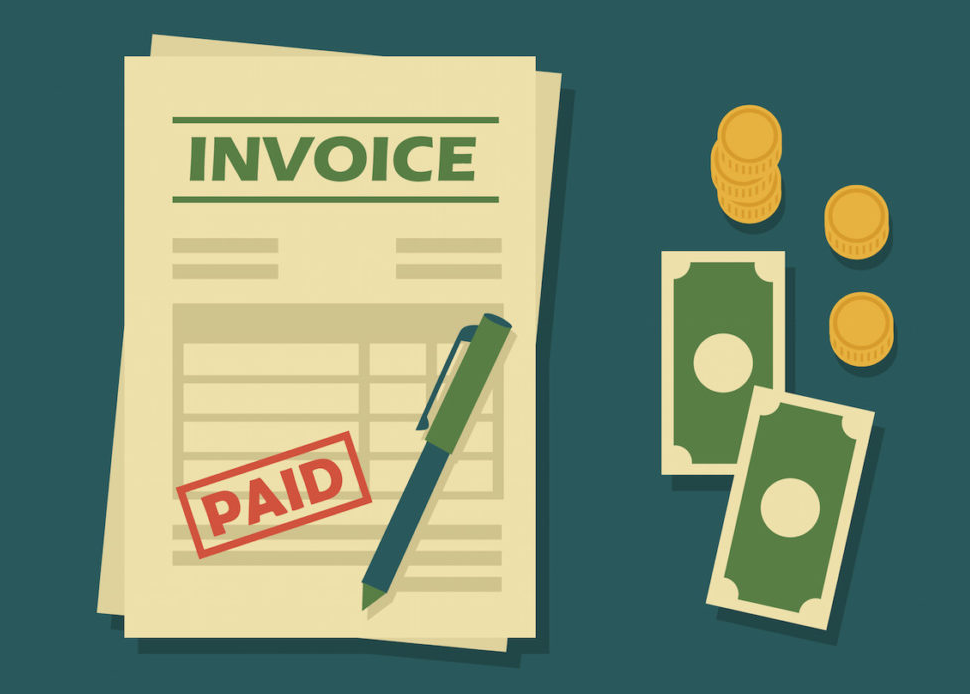
The difference between invoice financing vs. invoice factoring is who collects on the unpaid invoice. With invoice financing, you have the ability to pledge the invoice as collateral. You are faced with collecting the invoice from your customer. With invoice factoring, you sell your invoice entirely losing control of collecting it. You leave the unpaid invoice to the lender.
Both of these products provide an advance anywhere from 80-90%, at times the advance could reach 100% upfront. When the invoice is collected, you receive the remaining amount or the spread discounting the fees. Also, discounting the interest on the advance part of the calculation. These products are similar in nature and offer great benefits to business owners in need of working capital. The need for capital is essential when the businesses main source of revenue comes from paid invoices.
Owners know that over 55% of invoices are paid late. Businesses prepare for this and stretch out their cash flow as much as possible. There is always one or two large invoices that come in much later. When that occurs, business owners describe it as a “disaster”. The future plans are placed aside. Owners start to prioritize between if they should pay their vendor first or cover payroll. Such decisions are not easy and owners shouldn’t face such difficult question. As soon as you are in that position you can forget about chasing other work or opportunities. Working capital makes your life easier and any major source of financing should be an essential part of your business.
Invoice Financing Coverage
With invoice financing you are borrowing funds while the lender holds the invoice as collateral. You are responsible to collect the payment for the invoice and repay the advance back. With invoice financing, you are in full control over your customer.
As an example, let’s say your business is ABC Construction and you have an unpaid invoice for $10,000. The terms of the invoice are Net 30, so the customer has one month to pay you. If you need the cash fast, you pledge that invoice as collateral with a lender. You would receive an advance of 80% or $8,000 up front. In a month or less, you collect the full payment from the customer and repay the advance. If the financing company receives 3%, you would have to send the lender back $8,240. Some lenders structure this differently depending on the terms and their fees.
Invoice Factoring Coverage
With invoice factoring you are selling your unpaid invoice to the lender or the factoring company. You are no longer responsible of collecting the invoice and lose control over your customer along with your privacy.
What Is the Difference Between Both?
The main difference between invoice financing vs. invoice factoring is that you have full control of the costumer and you do not sell your invoice. You are responsible of collecting the payment. With invoice factoring you lose your control and sell the invoice while the factoring company must collect the payment from the customer. The main disadvantage between both is that you lose full control with invoice factoring. When you sell the invoice, your customer would receive a “notice of assignment”. A document that outlines that the factoring company is the one that would be collecting the payment and not your business.
Business owners think twice about invoice factoring because of the notice of assignment and your customer knowing that you have sold their invoice. You lose your privacy as a business and some customers question your financial situation more than before. This is the sole reason why business owners prefer invoice financing vs. invoice factoring.
Besides your customer knowing about your financing situation, the lenders would also verify the invoice majority of the time. They would call your customers to verify the terms and amount on the invoice. At times they would ask for additional documents such as an original agreement or contract if they are not satisfied with a verbal call. As soon as your customers questions your financial position, they tend to think about the worst-case scenario. At Creditfy, we believe that your financial structure and position should remain private and confidential from your customers at all times. We believe that it’s none of their business! As a business owner, you must keep business affairs private.
What the Funds Could Be Used For?
The funds that you receive from invoice financing or factoring could be used for any business expense. Businesses are free to use the capital as they see fit as long as it provides a benefit or is for the business use. Business owners use the funds to fuel their cash flow with positive working capital. One of the biggest expenditures that owners use the funds for are covering payroll expense, covering short-term liabilities such as debt payments on other financing, rent, taxes, equipment rental or marketing.
Many businesses owners pledge or sell their invoice in order to undertake additional work or contracts and cover the expenses associated with it. Owners that don’t have the freedom of obtaining funds quickly do not take additional work and miss out on work opportunities.
Conclusion
When choosing the best financing option its essential to understand what each product offers. Many business owners prefer invoice financing versus factoring because of privacy and having control of collecting the invoice. Both products are similar in nature and offer same benefits. As a business owner, you need to make a decision if you want to retain control over your customer or have the lending company take the relationship.
When comparing both sources, it’s clear that majority of business owners want to remain in control. They want privacy over their customer and keep their financial affairs private. At Creditfy, we use technology that helps us provide fast funding regardless if you choose invoice financing or invoice factoring. Regardless of your revenue or credit, we provide funds to businesses with poor credit or cash flow. Creditfy can provide an approval within the same day of applying and funds within 24-48 hours. It all depends on how quickly you provide us with your invoices. Apply when you’re ready!
Keep Reading
View All InsightsHow Does Invoice Financing Work?
A flexible way to turn unpaid invoices into fast working capital, without waiting on your customers to pay.
The Benefits of Invoice Financing
More than half of invoices are paid late. Invoice financing helps you keep cash flowing in the meantime.
Business Line of Credit vs. Credit Cards: Which Is the Smarter Way to Borrow?
Credit cards are often the first stop for fast capital. Here's why a business line of credit can be the better tool.
The main benefit of a business line of credit is having the funding available when you need it. Line of credit allows business owners to have a specific amount of capital. You can fill the gap in your working capital. The flexibility of capital is an essential factor for any business.
Don’t lose sleep when your working capital is tight! It can create an array of different problems. Small businesses owners experience too many negative surprises! Smart business owners always have a contingency at hand to deal with such surprises. Working capital enables you to cover short-term expenditures. You can pay for payroll, purchase inventory, cover payables or extend your collection efforts on receivables. You can secure favorable terms, expand your business, purchase more equipment, hire new employees or purchase real estate. Below, we’ll cover some of the major benefits a business line of credit offers.
01More Control of Your Business Working Capital and Opportunities
Business working capital is defined as the current assets minus current liabilities. To sum it up, it’s the amount of cash that your business has minus your short-term debt obligations. Majority of small business owners do not have much control over their financing. It’s a major hurdle! Securing a business line of credit you gain more control over your working capital needs. You could tap into funds when you’re ready and when surprises occur. You’re ready at all times! Have control in how much money you need. Cover any expense and only pay interest on the amount that is used.
As you repay the line, you can get access to those funds again. You are essentially gaining the freedom! Make vital business decisions without the need to rely on other unfavorable sources for capital. Moreover, spend time to seek a new lender and go through a funding process again. As a business owner, you need a lending advisor so your main focus should be on operating the business. Many business owners complain of not being able to secure a project or expand operations due to limited working capital. With a business line of credit, you are setting yourself up for more business opportunities. Business owners who are successful with having enough capital always seize business opportunities as soon as they get the chance.
02Manage Cash Flow During Slow and Peak Season
Seasonality for any type business is a difficult period of time. The revenues are at year-low and a period that causes a lot of stress. Since the line of credit is typically determined during your regular revenue months. The availability to draw funds should not change. This allows you to keep your cash flow at a positive working capital level. When you get back on your feet and your sales increase, then you can repay the line back. You can pay your regular expense by using your credit cards as a source of borrowing. Credit cards carry high interest rates, so think twice! You cannot cover the most essential short-term liabilities such as rent or payroll by using a credit card. Majority of vendors want check or cash as a form of payment.
Businesses that highly depend on the holiday season are sensitive when it comes to financing. They generate a good portion of their business during certain months of the year. They also experience working capital problems. Majority of seasonal businesses need additional working capital to maintain their profit margins. This includes purchasing additional inventory or hiring employees as main reasons. With a business line of credit, when you draw on the line and obtain the funds instantly. This is the most logical type of financing regardless. If you are anticipating slower or busy than usual period in your business cycle, you need to prepare early on.
03Flexibility of Paying for Only What You Need
With a line of credit, you only pay interest on the amount that you draw. Many business owners do not use the entire amount. They use a fraction, just to cover what your business needs actually needs without any extras. With other types of financing products, you don’t have the flexibility. Majority of time you pay interest on the extra versus what you used it on. You could be paying interest and fees on the funds you realized you didn’t need. Depending on the terms and agreement, you may have an early payoff option. You can payoff the entire balance early at any time without being open to prepayment penalties.
04Build a Relationship with the Lender
Business line of credit is similar to credit cards. The more you use and pay, the more credibility you build with your lender. Next time, when you need working capital or piece of equipment you’ll already have a relationship. You wouldn’t have to spend your time and stress to find a new lending company to work with. Moreover, you wouldn’t have re-apply and go through the entire process again. Creditfy’s reputation is to develop long-lasting relationships with our customers! Offer superior terms in the future when there is an additional need for financing. Strong payment history enables you to negotiate better terms - don’t forget this! Benefit from lower rates, longer terms, better payment structure and lower fees.
Another positive factor with a lender is developing a positive business credit history. Many lenders report your payment history to credit bureaus and other credit sources. This could be a great way to increase your credit score or business credit report and show stronger credibility.
05Build a Better Relationship with Vendors and Customers
Account receivables and payables are a way of measuring how fast you could collect your money and pay debt. You always need to balance these! With a line of credit, you can benefit from a cushion of cash. Allow your primary customers to have more time to pay you. This increases your relationship with them and shows them a factor of trust. When it comes to payables, by paying faster you can ask for discounts from your vendors. You can also get better terms besides lowering your business debt.
Many customers believe that when a business is desperate to collect their receivables from them, it makes them look desperate. Customers always want an option of flexible payments and more time to pay their debt. Imagine if someone told you that you don’t have to make a payment and you have more time. How would you feel? You would feel better about that vendor and a feel as a loyal customer.
06Safeguard Your Valuable Assets with an Unsecured Line of Credit
Most of the lenders offer unsecured lines of credit that do not require you to use your assets as collateral. This is very important for any business owner to consider versus using your personal home as collateral. You have enough stress in operating your business and you should not worry about your home. Ideally, you want to separate your personal affairs from your business and vice versa.
Keep Reading
View All InsightsBusiness Line of Credit vs. Credit Cards: Which Is the Smarter Way to Borrow?
Credit cards are often the first stop for fast capital. Here's why a business line of credit can be the better tool.
How Does a Business Line of Credit Work?
Access fast financing whenever you need it, and only pay on what you draw.
The Benefits of Strong Credit When Applying for Financing
Whether your business is new or established, your credit profile shapes the options and terms you can access.
Equipment financing provides an excellent source of capital. It’s a flexible alternative to save cash, free up capital and acquire equipment that’s critical to a business. You can borrow funds to purchase or lease a physical asset. This form of financing dates back all the way to medieval age. Interesting fact, in 1066 AD ship fleets were leased which makes equipment financing one of the oldest type of products. Being so old and traditional, so why the banks are still denying credit to applicants? We are going to discuss in more detail in how does equipment finance work.
Creditfy specializes in financing all types of equipment across all industries. We finance both new and used equipment and provide long-term financing with favorable terms. The entire process is fairly simple. You need to complete a credit application, speak with our representative to find the best matching product, receive a pre-approval and get the funds in few days.
How Can I Qualify for Financing?
Any business that needs physical equipment for their operation technically qualifies for this type of financing. It’s much easier for a business to qualify for equipment financing than any other financial product. The reason why it’s because the equipment or physical asset that you are financing is held as collateral by the lender or lessor when leased. If you default on the loan, the lender has the right to repo the equipment back making it less risky type of asset. One of the major contributing factors to securing an approval is your credit score. Typically, lenders want to see a credit score of 650+ but that doesn’t mean that they won’t finance someone with score of 520. The other factor is your ability to pay and cover the lenders debt.
At Creditfy, we understand all of the required factors but concentrate more on the equipment and the purpose it would serve. If you’re a new business, have poor cash flow or have low credit score and cannot obtain financing on equipment, we could help! Many lenders do not estimate the effect that a piece of equipment might have on the business such as higher revenue, reduction of cost or an ability to obtain more business. While other lenders decline applications strictly on the time in business and credit score, we look at other factors in combination to traditional risk measurements. This makes us more competitive in nature and provide the best terms to our customers.
What Are Some of the Benefits When Financing Equipment?
Let’s cover some of the main benefits that equipment financing could offer below.
01Cash Flow Convenience and Fast Funding
Equipment lease or financing doesn’t take a long time. It could take as much as 24 hours to receive the funding and acquire the equipment. The convenience is that you don’t have to use your working capital resources to acquire a piece of equipment. By preserving your cash flow, you have more freedom to use it the remaining capital for other business affairs. The terms allow you to amortize your payments throughout 72 or 76 months, making equipment financing very affordable. By increasing your working capital, you wouldn’t need to tap into business line of credit or other lending sources and save your margins from avoiding costly interest. On majority of transactions below $150,000 there is no need for financial statements or additional documents making the transaction very quick and straight forward.
02Tax Advantages
Equipment leasing can be structured either on the balance sheet or off. The equipment would serve as an underlying expense which would reduce your tax liabilities. On equipment purchases versus leasing you have an option to deduct 100% of the expense during the same year under new tax law - Section 179.
The tax savings are enormous! Some customers purchase equipment every year even if the equipment is utilized 30% of the time. Customers say that they rather purchase some sort of equipment and try to grow their business verses paying taxes on their income.
03100% Financing
When leasing you can finance 100% of the equipment cost then a typical equipment loan where a down payment is required. Let’s say the equipment costs $75,000, you can finance the entire amount! You can also cover soft costs.
The soft cost that could be part of the financing are delivery charges, sales tax or installation. Thus, your financing could be 100% plus coverage of those costs. This provides you even more freedom to save your hard-earned cash. Some lenders are selective on their soft cost coverage rules, but some would be willing to finance all associated costs. This depends on the equipment that is being financed and overall terms of the transaction.
04Use Updated Equipment Versus Paying for Constant Repairs
Businesses should take advantage of new equipment versus worrying about the up-keep and repair costs. You would have to calculate how much money you can save on taxes and avoid paying for repairs. Truck drivers are a perfect example who run up to a million of miles on their trucks and know the costs associated with repair. Some business owner’s miss out on revenue when trying to repair or salvage their equipment versus upgrading.
What Type of Equipment Can I Receive Financing For?
There is no limit to equipment financing, as long as the asset is not for restricted use or in a restricted industry and is a physical asset - you can finance it. This is a small example of equipment that you can finance below:
- Cranes
- Bulldozers
- Excavators
- Refrigerated trucks
- Software/servers
- Security systems
- CNC machines
- Industrial coolers
- Office equipment
- Agriculture equipment
- Trucks
- Small/large restaurant equipment
Should I Finance or Lease the Equipment?
The difference between financing or leasing is mainly on ownership structure. When you finance the equipment and pay it off, you’ll own it. When you lease it, at the end of the lease you would have an option to renewal the lease, cancel it or purchase it back from the lender. Such option is based on the lessor’s terms. This also depends on your financial situation and tax advantages. This is a critical decision which needs to be made early on in the process. It’s essential that you know the benefits of each. Another factor to consider is with a lease you cannot carry the asset on your balance sheet. Which means you wouldn’t be able to depreciate it and strengthen your businesses assets.
Which Option Offers Lower Payments?
Leases tend to offer lower payments than a financing. Leases work for businesses that have tight margins, thus the amount of payments is extremely critical. In the long run the lease would be more expensive than due to additional associated costs.
Conclusion
We don’t ask for a stack of documents like banks do and we don’t care as much about your credit as we do with the type of equipment that you are looking to finance. At Creditfy, we use technology that enables us to provide fast equipment approval within hours. We have a seamless funding process and our customers could receive the funds in matter of 24-48 hours. Let us know when you’re ready to apply!
Keep Reading
View All InsightsThe Benefits of Equipment Financing
Get the equipment you need while keeping cash free, with flexibility and financial security built in.
How to Get the Best Rate on Equipment Financing
What lenders look at, and how to secure low rates whether your equipment is new or used.
Business Line of Credit vs. Credit Cards: Which Is the Smarter Way to Borrow?
Credit cards are often the first stop for fast capital. Here's why a business line of credit can be the better tool.
Businesses that invoice their customers for goods or services know the caveat of late paid invoices. Invoices are paid late 55 percent of the time. It’s no wonder that business owners turn to invoice financing for fast and convenient financing. You can receive funding as little as 24 hours and preapproval for funding in as little as few hours. Below we would discuss the main benefits of this type of financing and how it could help your business weather your cash flow gaps and working capital needs.
01Fast Cash Infusion
The main benefit of invoice financing is that you don’t have to wait for preapproval for weeks with traditional banks. Not only banks take their sweet time with pre-approval, but they also could take up to a month to provide funding. We know that businesses cannot take that long to obtain funding. We developed technology that enables us to provide preapprovals in as little as few hours. Technology that helps us provide funding as little as 24 hours.
The process is very simple and fast. We do not ask for a lot of documents like banks would and provide cash as quickly as possible. All it takes is few days and it could drastically change your cash flow to negative territory. Creditfy understand that businesses cannot afford to wait. You can use the funds to pay for common expenses like covering payroll and paying off existing debt. You can also you this type financing to cover equipment financing payments, vendor payments, credit card debt, taxes or rent.
02Fast and Unlimited Funding
When you secure a relationship with a lender, it’s not a one-time transaction. After taking an advance on unpaid invoices, you can do it again and again - an unlimited amount after paying each advance back. It works almost as a revolving line of credit. Lending companies want to continue the relationship as long as it makes sense for the business and that there’s no issues in making or collecting your receivables. The major benefit of the relationship is that the next time you tap into funding, the process is much faster and could take few hours to get future funding.
03Higher Chance of Preapproval and Funding
With invoice financing, credit score and revenue are not a major aspect of an approval like with other traditional products. Lenders are more concerned what kind of invoice you have or want to take an advance under, the relationship with your customer, what kind of customer/business it is, terms of the invoice and other business factors. If you have poor credit, you could still obtain this type of financing.
04Business Growth and Opportunities
Invoice financing not only helps you to obtain the working capital you need, but it helps you to feel more secure. With a feeling of security of knowing you have the required capital; you don’t have to wait to get paid in order to take new work. You can use the funds in any way to help grow your business, pay any business expense or invest the capital into securing new projects or jobs. Many business owners use this type of financing to hire new employees for a new job, purchase new equipment or supplies.
05Make Payments When Ready
When you pledge your invoice for an advance, you only pay back the advance when you collect the payment. This feature provides you with freedom of having great control over your cash flow. It also allows you to develop better relationships with your customers by extending their terms. This allows smaller businesses to obtain larger contracts and allow customers to pay beyond 60+ days. Majority of large businesses do not make an exception to pay within 30 days. Small businesses are discouraged to undertake municipal or government contracts because of the long payment period but with invoice financing this is more feasible.
06Control of Choosing the Amount of Funds
With invoice financing you have the freedom of choosing how much funding you need, and which invoices you want to take an advance on. With a business loan, you might take more funds and pay interest on funds that you might not need versus invoice funding where its more custom. This helps businesses to obtain funds fast exactly when they need it. This type of financing is very similar to a revolving line of credit.
07No Collateral Requirement
Business owners can benefit from this major factor of not being required to place any assets under collateral. The invoice itself acts as a collateral with the lender. You don’t need to worry about placing real estate, equipment or other form of collateral with this type of financing. Many businesses like this option because in case of the customer not being able to pay the invoice or the business not having the funds to cover the advance, they won’t be at risk in losing a significant asset.
08Privacy with Customers
When you obtain invoice financing your customers wouldn’t know about it providing you with a peace of mind. With invoice factoring which is a similar financing option, you sell your invoice and the customer would know that you’ve sold their invoice since the factoring company collects the payment directly from them. Many business owners don’t want their customers to know what kind of financing they are using and steer away from invoice factoring.
Conclusion
With invoice financing there are a lot of advantages in securing this type of financing. Businesses are not securing a one-time loan but a long-term financing relationship with the lender. Smart business owners need some type of secure source of capital and this type of financing is an ideal source to provide fast capital. Our team uses technology that enables us to provide fast funding regardless of time in business, credit score or revenue.
With invoices being paid late, this product helps business owners to gain the financial freedom that they deserve. Your customer shouldn’t dictate your cash flow or your success. We can provide funding as little as 24 hours. Apply with us and send us your invoices.
Keep Reading
View All InsightsHow Does Invoice Financing Work?
A flexible way to turn unpaid invoices into fast working capital, without waiting on your customers to pay.
Invoice Financing vs. Invoice Factoring
The key difference comes down to who collects on the unpaid invoice. Here's how each one works.
Business Line of Credit vs. Credit Cards: Which Is the Smarter Way to Borrow?
Credit cards are often the first stop for fast capital. Here's why a business line of credit can be the better tool.
The benefits of a bridge loan are designed for businesses that are seeking short-term financing or bridge cash flow gaps. This type of financing is easy to obtain. The funding process is fairly fast and easy. It can take as little as 24 hours while the pre-approval can take just few hours. Bridge loan is a very flexible product and it offers a very high approval rate. It’s an ideal financing source before secure permanent financing. We are going to discuss what are the benefits of a bridge loan below in more depth:
01Fast Preapproval and Funding
One of the main benefits of a bridge loan is that you can obtain a preapproval within hours. Traditional financing with banks can take up to a month to secure. This makes us look more efficient with a lucrative product. The process is very simple, and financing is very fast. Banks with other traditional lenders ask for 6 months of bank statements, business tax returns, personal tax returns and references while we ask for very little. In order to prequalify and obtain an approval, we ask for 3 months of most recent bank statements along with a signed credit application. Within few hours, you would obtain our credit decision and proceed with funding if approved. Upon funding, we usually ask for a copy of voided check and driver’s license. It’s as simple as renting a car!
02Higher Chance of Preapproval and Funding
The qualification process is extremely easy and straightforward because you don’t need to have a good or perfect credit score. When it comes to this type of financing, we just want to see that you have the will and ability to cover your payments. At Creditfy, we do not judge your ability to pay if you have low revenue. Our representatives work with each business owner regardless of negative business factors. We believe in small businesses and have developed technology that enables us to bypass poor credit and negative attributes. Businesses to use this type of financing to gap their cash flow issues. If you are a new business and have no track record of payment history with any lender, you can depend on Creditfy to obtain financing for your business.
03Business Growth and Opportunities
Secure additional work when having enough working capital. Many business owners wait until they collect on receivables or finish their current job before biding out on new work or contracts. The main reason why they wait is due to limited working capital.
04No Limitations of Using the Funds
With a bridge loan, you can use the funds for any business purpose. Traditional lenders have certain limitations in place for the use of funds. At times, they could decline your application if you are looking to consolidate debt, purchase another business, buyout your business partner, payoff another loan or use the funds for business restructuring. At Creditfy, we believe that you as the business owner know better what to use the funds for. You can use the funding to purchase inventory or supplies, cover payroll, payoff credit card debt or existing loan debt, cover equipment financing payments, pay vendor, pay for real estate purchase, pay for renovations, cover outstanding taxes or rent. Many business owners use the funding to quickly expand their operations by having the required capital to undertake additional work, pay for marketing, extend their receivables or hire new employees.
05Control of Funding or Loan Amount
With a bridge loan, you are not required to take the entire loan amount. You have the freedom to choose how much capital you want to secure at any given point. Why pay interest on the funds that you’ll never use, if you need additional funding you can always ask for more.
06Manage Cash Flow During Slow and Peak Season
A bridge loan is an ideal source of financing because it’s fast and easier to obtain. Many business owners use this type of financing during their slow season to turn their cash flow positive or have enough working capital to get through the season. During peak seasons, owners use a bridge loan to stack up on inventory in order to obtain a large discount when buying in bulk. They also use it for working capital to meet the operating demand.
07No Collateral Requirement
This type of financing doesn’t require you to put your personal real estate as collateral, unless the use of funds or the transaction itself involves real estate. If the loan is used for business, majority of lenders do not ask for any type of collateral.
08Tax Benefits
Business owners can expense the interest and fees that are associated with financing against their income as a liability. Since liabilities decreases your net income, you can avoid in paying some of the taxes.
09Paying Off Existing Debt
A bridge loan is well known to carry higher interest rates than other types of financing. Business owners utilize this type of financing to cover their existing debt obligations like credit cards who also charge high interest rates. Moreover, you can use a prepayment discount to avoid some of the interest and make your cost of capital lower.
10Develop a Relationship with the Lender
Borrowers can benefit from a bridge loan by developing a payment history. Lenders can offer better terms in the future or help your business obtain more permanent financing. Our reputation is to develop long-lasting relationships with our borrowers. With stronger relationship, offer better financing terms. If you paid off your existing debt, you are in a better position to negotiate for better terms. Terms such as low interest, longer and more flexible terms along with lower fees.
Conclusion
A bridge loan might not be the best source of financing because its designed for businesses that are in need of fast and short-term working capital. This type of financing offers benefits that other products cannot provide such as a high approval rate, fast funding and simple funding process. At Creditfy, we understand that businesses succeed if they could tap into fast capital quickly. We have developed a technology that enables us to secure fast funding for our customers in as little as 24 hours, apply when you’re ready!
Keep Reading
View All InsightsHow Does a Bridge Loan Work?
Fast, short-term financing that covers your business needs while you secure a longer-term solution.
Bridge Loan vs. Other Business Financing
How a bridge loan compares to other options when you need funds fast to close a cash flow gap.
Business Line of Credit vs. Credit Cards: Which Is the Smarter Way to Borrow?
Credit cards are often the first stop for fast capital. Here's why a business line of credit can be the better tool.
Bridge loan is ideal for short-term business financing by obtaining funds fast to bridge cash flow gaps. This type of financing is easy to obtain and offers a high application approval rate. You can obtain funding in as little as 24 hours. The pre-approval could take as little as few hours and with no cost. Many businesses can obtain funding the same day. Below we would discuss benefits of a bridge loan and after other financing options.
Bridge Loan Benefits
- Higher chance of preapproval and funding
- Business growth and opportunities
- No limitations of using the funds
- Control of funding or loan amount
- No collateral requirement
- Tax benefits
- Paying off existing debt
- Develop a relationship with the lender
- Customized payment options
- Prepayment discounts
Other Business Financing Options
Business Line of Credit
The business line of credit offers great flexibility with a main selling point of paying interest only on the drawn funds. It offers access to fast funding and giving you more control! You can use the funds for various business liabilities. With other financing projects you might have some limitations but with business line of credit as well as bridge loan. You have a bit more freedom with this type of financing. Bridge loan and business line of credit offer simple and fast access to funds.
Another positive selling point of business line of credit is that it’s an unsecured product with majority of lenders. Bridge loan with majority of lenders is also an unsecured financing product, thus collateral is not required. With a business line of credit, you can obtain additional funds instantly when the balance is paid off or partially paid down. The funds would be drawn from your business checking account. It offers seamless payment structure and easy payment process.
Equipment Financing
Equipment loan is an excellent financing source! With equipment financing being a secured type of financing, it’s much easier for a business to qualify for. One of the major contributing factors to securing an approval is your credit score. Businesses with poor credit and poor performance struggle a bit. Typically, lenders want to see a credit score of 650+ with strong attributes. That doesn’t mean that they won’t finance someone with score a FICO score of 500 or below.
We understand the equipment financing space well. Our representatives mute the score and concentrate on the equipment more. Each business has challenges! It’s easier to obtain equipment financing vs. other financial products.
Invoice Financing
Invoice financing works by borrow against your uncollected receivables. It provides business owners with financing versus waiting 60-90 days and sometimes 120 or more to collect. This could be problematic and hurt your cash flow. When you borrow on your invoices, the lender would provide funding on the outstanding. They will provide coverage anywhere from 80-90% of your invoices value up front. Business owners can obtain financing with a high application approval rate. The funds can hit your account as fast as 24 hours. With government or municipal invoices, lenders can provide up to 100% financing.
Business Term Loan/merchant Cash Advance
Business term loan or short-term business loan is the fastest way to get financing. It’s the simplest and easiest form of financing available. Regardless of your cash flow or credit score, this product offers a high approval rate. You can get the funds in your account within 24-48 hours. This type of financing is very similar to merchant cash advance as well as bridge loans. The repayment terms are shorter than more traditional financing. Typically, the terms range from 3-18 months. As a result of the easy and fast application along with fast funding process these loans have higher rates.
SBA Loan
SBA loan provides very favorable terms to those who qualify. This type of financing is highly sought after because of favorable interest rates. With flexible repayment options of monthly payments and long repayment terms. This product is also beneficial because it helps with building personal and business credit.
Majority of lenders report your repayment history to credit bureaus. This will increase your likelihood of obtaining financing in the future and get better terms with positive repayment history. This type of financing technically has no minimum credit score requirement. Lenders commonly would require a credit score of 650+ depending on the product. They also require review of financials over a certain period of times and the approval could be challenging to receive at times.
Depending on the strength of your application and the lenders requirements an SBA loan typically requires a 10%-20% down payment based on the loan amount. You’ll also need to provide collateral unless the loan amount is under $25,000. For loans over $350,000 there will be a lot of collateral required. If you don’t have enough business collateral it’s possible to use some personal collateral towards the financing.
Conclusion
A bridge loan might not be the best financing option. It’s designed more in need of fast and short-term working capital. This product offers a high approval rate and majority of time its unsecured. If you are looking for a secured product that comes with collateral requirement, you can still obtain funding fast with a high approval rate.
At Creditfy, we try to match you to the best available product. We spend our time trying to learn as much about you and your business as possible so we could best position you for preferred financing products. It’s essential for you to share your future plans with us or negative aspects about your business because it helps us to customize financing for you. Our technology enables us to secure fast funding for our customers in as little as 24 hours. Apply when you’re ready!
Keep Reading
View All InsightsHow Does a Bridge Loan Work?
Fast, short-term financing that covers your business needs while you secure a longer-term solution.
The Benefits of a Bridge Loan
Designed for businesses seeking short-term financing to bridge cash flow gaps, quickly and simply.
Business Line of Credit vs. Credit Cards: Which Is the Smarter Way to Borrow?
Credit cards are often the first stop for fast capital. Here's why a business line of credit can be the better tool.
The business term loan is typically provided by an online lender with fast funding versus other business financing products. There are many different options to choose from when deciding which business loan is best for your business. Term loan is known for quick application and fast funding process. It’s important to choose the right product depending on your and businesses needs. There are four main options in this category a term loan, a line of credit, revenue advance and invoice factoring.
Business Term Loan
Whether you’re using the financing to purchase inventory, equipment or just general expansion these loans are a great option. They are very similar to a traditional term loan with a predetermined rate and the payment schedule but just with a shorter repayment term. These loans typically range from $5,000-$1,000,000 and terms from 3 to 18 months. Because these loans require little documentations and can be funded within 24-48 hours, the rates are higher and typically start at around 10%. At Creditfy, we require the last three months bank statements and a credit application to get your business pre-approved.
The funding process is very simple. For a smaller loan you would need as little as a driver’s license and voided check to get funded. For a larger loan, typically over $150,000 you would need additional documents. Lenders require Tax Returns, year-to-date Profit and Loss statement and Balance Sheet statement. Most businesses will qualify for these loans since the minimum requirements are set low. You would need a minimum FICO score of 500, $10,000 in monthly revenue and at least 6 months in business. You can apply for some of these loans in a matter of minutes and some of these lenders will have an offer for you within a few hours. These lenders take the stress out of getting a business loan and make the process easy!
Business Line of Credit
The structure of a business line of credit is very similar to a credit card. A lender will approve you for a maximum line of credit amount. You can decide to take the full amount or a portion of it. One of the nice parts about a line of credit is that you only pay interest on what you use. Generally as you pay down the balance that you’ve withdrawn the available credit increases.
With line increasing, it allows you to come back and pull more funds from the line in the future. You don’t have to wait on a lender’s approval process. These lines of credit are generally between $5,000-$500,000 and the terms range from 6 to 12 months. The minimum requirements are typically a 600 FICO score, one year in business and at least $15,000 in monthly deposit volume.
Revenue Advance/merchant Cash Advance
A revenue advance or cash advance is structured very similarly to a loan but it’s not a loan it’s an advance. The lender purchases your future receivables and you pay them back either daily or weekly for a projected term. A merchant cash advance is like a revenue advance but instead of the lender purchasing your total future receivables they are just purchasing a percentage of your credit card sales.
An example of this is a lender giving you a $100,000 advance in return for 15% of your credit card sales over a projected term of 12 months for example. One of the benefits of this product is that the repayment amount fluctuates with your sales as the lender is taking a percentage and not a fixed amount. This can be extremely helpful for businesses during their slow season.
A merchant cash advance is a specifically suited for certain industries such as restaurants or retailers. A revenue advance and merchant cash advance are some of the most common ways that small business get funding. Similar to a term loan the application process is easy, and you can be funded within 24-48 hours. The minimum requirement are also low and some lender that will approve as low as a 500 FICO, $10,000 in monthly deposit volume and 6 months in business.
Invoice Financing
This financing is used to solve a very specific situation when you need a loan as a bridge while waiting on invoices to be paid. The lender will advance you a fix percentage of the invoice amount due, this can typically range from between 60%-90% of the invoice amount due. You are essentially selling the invoice to the lender. They will work with your client or customer to get paid. Your advance will accumulate interest for the amount of time that your invoice is outstanding.
Once your customer pays the invoice the lender will deduct an interest that you accumulated and will send you the remainder of the amount due. This is typically one of the lowest cost ways to get funding as the lender has the invoice as collateral. The lenders review these deals a little differently and are more interested in the creditworthiness of your customers than you. This type of financing is great for construction companies. For example, business that may have to wait 30, 60 or 90 days to be paid on a project.
Conclusion
There are so many different options available for financing your business. It sometimes can be overwhelming with all the choices. Business term loan versus other business financing is not an easy decision. We’re here to help and guide you in the right direction. The first step is to understand the use of funds and what situation you are trying to solve. For example, if it’s because your customers are slow paying you and you need some funds to bridge the gap for 30 days. Invoice financing could be a good option versus having the opportunity to purchase inventory at a discount where a short term loan or line of credit is likely a better solution. By reading this article you’re already making good progress to choosing the best option for you. The next step is to start the application process to get the funding your business needs to grow.
Keep Reading
View All InsightsThe Benefits and Drawbacks of a Business Term Loan
Not every term loan runs 5, 10 or 15 years. Here's what to weigh before choosing a short-term option.
How Does a Business Term Loan Work?
If you need financing quickly, a business term loan can deliver a lump sum with fixed, predictable payments.
Business Line of Credit vs. Credit Cards: Which Is the Smarter Way to Borrow?
Credit cards are often the first stop for fast capital. Here's why a business line of credit can be the better tool.
An SBA loan is one of the most desired loans for business owners. The SBA which stands for the Small Business Administration is a government agency that was set up in 1953. Created to support businesses and entrepreneurs across the US. One of their top goals is to get more capital in the hands of entrepreneurs. Business owners who would otherwise be unable to access loans at reasonable rates.
Their main role is to connect business with lenders. Unlike a traditional loan where you would apply directly to the lender. Many people think that these loans are funded directly by the government. That is not the case for a traditional SBA loan. However more recently with the changes to EIDL Loans and the introduction of PPP, the funds for these loans do actually come straight from the US Treasury Department. The SBA has an essential role in supporting businesses across the US. In 2019, they facilitated over 63,000 loans for a total of $28 billion. These loans are in high demand because of their favorable terms and rates.
How It Works?
The SBA guarantees a large portion of the loan made by banks and other lenders, reducing the lenders risk. Normally 75%-85% of your loan is covered by the SBA in the event of default. As a result of this the lenders are much more willing to approve a business as they know they will get paid back even if they were to default. This has also made banks more willing to work with small businesses who historically would have had difficulty obtaining tradition financing because of their lower revenues and loan amounts. These loans are highly sought after because of their low fixed interest rates, monthly payments and long repayment terms. The SBA will also report your repayment to credit bureaus. It will increase your likelihood of obtaining financing in the future if you have good repayment history.
How Do I Qualify for an SBA Loan?
Although there is technically no minimum credit score requirement, the banks commonly require minimum credit scores for applicants which typically range from 640-680 depending on the product. It’s important to have built a strong credit score prior to applying for an SBA loan as the banks are a lot more focused on credit than other online lenders for example. Something else that’s important to keep in mind is that it’s challenging to receive an SBA loan as a startup. An applicant typically has to be in business for at least two years. The lender will also review recent Tax return, Profit and Loss and Balance sheet and commonly require the business to be profitable. One of the nice parts about an SBA loan is that the revenue requirements are relatively low at least $50,000 in revenue over the last year.
What Documents Do I Need to Submit to Apply?
One of the drawbacks of an SBA loan is that there is a lot of paperwork involved and it is a long process to obtain the funding. Here is a list of the document commonly required for an SBA loan. To compare the process, some online lenders just require recent bank statements and a signed application to fund.
- Signed Application
- Driver’s License & Voided Check
- Bank Statements
- Year-to-Date Profit & Loss and Balance Sheet Statements
- Financial Projections
- 2 Years of Business Tax Returns
- 2 Years of Personal Tax Returns
- Debt Schedule
- Business Plan
What Are the Terms and How Much Can I Be Approved For?
SBA loans can be as low as $10,000 and as high as $5,000,000. Unlike other types of financing the rates on SBA loans depend on the market prime rate. This is typically at 4%+ and the lender may charge additional interest. The SBA also charges a fixed fee which varies for each your loan but generally ranges from 2%-3.75%. The loan terms can be as long as 25 years.
Other Important Things to Consider When Taking an SBA Loan.
Depending on the strength of your application and the lenders requirements, an SBA loan typically requires a 10%-20% down payment based on the loan amount. You’ll also need to provide collateral unless the loan amount is under $25,000. For loans over $350,000 there will be a lot of collateral required. If you don’t have enough business collateral it’s possible to use some personal collateral towards the financing. The SBA will also require any owner with over 20% ownership to personally guarantee the loan. This will allow the lender to go after personal assets in the event of default.
How Long Does It Take to Get an SBA Loan?
One of the main drawbacks of an SBA loan is how long it takes to get financing. If you’re short on time this may not be the best option for you. Typically, most SBA loans take 2-4 months for the financing to be received. An exception to this is the SBA Express loan which can be funded in less than 2 months in certain situations however these are smaller loan amounts. The larger the loan and longer the term that you apply for, typically extends the SBA loan timeline as the lender will require a more extensive review process. Having said that the most time-consuming part for you is the process of gathering all the documentation needed before you even apply.
Is an SBA Loan Right for Me?
If you have time on your hands and meet the requirements above it’s definitely worth applying for an SBA loan as they offer some of the largest loan amounts, lowest interest rates and best repayment terms. However, if you need financing fast, do not think that you will qualify or are simply overwhelmed with the application process it’s always worth considering other options. If you look at the opportunity cost and decide if your time is better spend working on your business and generating revenue instead of putting time and effort towards the long application process a shorter term working capital loan from an online lender may be a great option to get the funding within a few days.
Keep Reading
View All InsightsThe Different Types of SBA Loans
SBA loans offer some of the largest amounts and lowest rates available. Here's how the main programs differ.
The Benefits and Disadvantages of an SBA Loan
Large amounts and low rates make SBA loans popular, but they're not right for everyone. Here's the full picture.
Business Line of Credit vs. Credit Cards: Which Is the Smarter Way to Borrow?
Credit cards are often the first stop for fast capital. Here's why a business line of credit can be the better tool.
An SBA loan is one of the most desirable loan options in the market. They offer some of the largest loan amounts and lowest interest rates with best repayment terms. Having said that, they are not a good fit for business owners looking for funding quickly as the process typically takes between 2-4 months. Before applying it’s important to understand the different options that are available. The SBA have development a variety of loans depending on your needs.
These Are Different SBA Loan Options and Their Requirements to Apply
SBA 7(A) Loan
This is the most popular SBA loan. They are a good fit for business owners that were not able to meet all the requirements needed for a traditional business loan. One of the benefits of this loan is that it can be used for a variety of purposes such as working capital, debt refinancing, marketing and hiring employees for example. These loans can be up to $5m and the loan terms can be up to 7 years for working capital and 25 years for a commercial real estate purchase. The rates generally range from 6%-13% and the loans all have a monthly repayment schedule. One drawback is that the loans typically require a down payment of 10% and collateral.
To apply for a 7(a) loan, you’ll need to provide a year-to-date balance sheet, a year-to-date profit and loss statement, a business license, 2 years of business tax returns, 2 years of personal tax returns and a debt schedule. The typical minimum credit score is 680. You’ll also need to submit a detailed business plan and a summary outlining the use of funds.
SBA CFC/504 Loans
Unlike the SBA 7A loan the CDC/504 loan has to be used for a very specific purpose. It is limited to purchasing a fixed asset such as equipment or real estate. Although this loan is more restrictive than the 7a, the benefit is that it comes in at a lower cost. They also do not require any collateral but do still require a 10% down payment. The rates typically range from 5-6%, terms range from 10-25 years and there is also commonly a 3% closing fee on these deals.
If you are purchasing land it will typically be a longer team deal closer to 25 years vs buying equipment which would be closer to 10 years. Your business must have a net worth of over $15 million to qualify. You will also need to prove that over the last 2 years you’ve had average net income of $5 million or less. This loan typically requires a minimum credit score of 680.
SBA Micro Loans
SBA micro loans are great for startups! People who are self-employed or companies with just a few employees. The max loan amount is $50,000, the loan repayment terms are up to 6 years and the rates typically range from 8%-13%. Although the loan amounts are smaller than the other options, you’ll have a lot of flexibility with what you can use the financing for.
SBA Express Loans
SBA express loans are typically funded quicker than the 2-4 months that it takes the other SBA loans to close. With these loans you could reduce processing time by 2-3 weeks compares to another SBA loan. These express loans only guarantee the lenders 50% vs 75%-85% for other SBA loans. As a result of this the lender is taking more risk so the terms, they lender will offer are not as good. These loans are capped at a maximum funded amount of $350,000 and can be structured as either a line of credit or term loan.
SBA CAPlines
SBA Caplines are typically lines of credit. One of the nice parts of this option is that some of these lines of credit are revolving. You can access the full amount again once you’ve paid off the line of credit. The SBA Caplines are typically for seasonal businesses that see significant fluctuations in deposit volume throughout the year. The maximum amount that you can borrow is $5,000,000 and the term lengths are up to 10 years. The interest rates are approximately the prime rate+ 2.75-4.75%. There are also commonly additional fees of between 0.25%-3.75%.
There Are 4 Types of CAPlines That Are Available
01Working Capital CAPlines
These are lines of credit that can be used for a short term. It can be used for operating expenses or payroll.
02Contract CAPlines
These are lines of credit for contractors to cover the costs of an individual contract.
03Seasonal CAPlines
These lines of credit are offered to support seasonal businesses during their busy months. It is not supposed to be used to cover costs during your slow period.
04Builder’s CAPlines
These lines of credit are used to support the construction of commercial and residential buildings that will be resold. It can be used for equipment, raw materials, labor and other costs associated with the construction of the building.
SBA Disaster Loans
Thankfully the SBA also issues loans to businesses recovering from physical and economic damage caused by economic or natural disasters. This is a great option for business owners that have had property, inventory or equipment damaged or destroyed by a disaster. The SBAs goal is for the loan to help you get the business back to where it was before it was impacted by a disaster. These loans are typically up to $2 million with rates of 4-8% and terms of up to 30 years.
Some of the Things to Consider Before Applying Are
- What are the minimum requirements to qualify?
- Minimum/maximum loan amount I can receive?
- What are the rates/repayment terms available?
- How long will it take to receive the funding?
- What are the collateral/down payment conditions?
- Is there a personal guarantee and how many owners have to sign it?
Conclusion
SBA loans are great option for business owners that have a lot of time to put into the application process and are able to wait a few months typically to receive the financing. If you are looking for funding faster although it will be more expensive a short-term loan from an online lender may be a better option for you. Let us know when you’re ready to apply!
Keep Reading
View All InsightsWhat Is an SBA Loan, and Who Qualifies?
One of the most sought-after loans for business owners. Here's what it is and what it takes to qualify.
The Benefits and Disadvantages of an SBA Loan
Large amounts and low rates make SBA loans popular, but they're not right for everyone. Here's the full picture.
Business Line of Credit vs. Credit Cards: Which Is the Smarter Way to Borrow?
Credit cards are often the first stop for fast capital. Here's why a business line of credit can be the better tool.
At Creditfy, our goal is to provide the best and low rates for equipment financing regardless if the equipment is used or new. Lenders classify different types of equipment by a risk category, we know each type of equipment and risk associated with underwriting. Based on our internal underwriting guidelines, we compiled a list of different types of equipment that could yield the best and lowest equipment financing rates.
Lowest Rates on Equipment Financing
For a business to get the lowest financing rate, the business and applicant must both possess excellent credit score and business credit factors. Besides the credit and other business factors, the equipment must be considered as a preferred type of asset. What is a preferred type of asset? A preferred asset is an asset that has a long-life value. Also, the underlying asset must have a high resale value.
For example, heavy duty equipment has a long-life value and is used for 20-30 years versus other assets that have a lower life of 5-10 years. An asset that has a lot of demand and carries a high resale price tends to have the lower risk for lenders. Besides the credit and business factors, the asset itself is what yields the best equipment financing rates. A new piece of equipment is the one that would also yield the longest terms of up to 7 years.
Can I Obtain Lowest Rates on Used Equipment?
If the equipment is used, you could still obtain both favorable rate and term. There is a lot of demand for used equipment across all industries. For example, many contractors first consider purchasing a used piece of equipment because its less expensive than new. When a new piece of equipment is being purchased, it loses 20-30% of its value within a year. Non-preferred assets with low life value lose up to 50% of its value within a year of being purchased. If the equipment is used, you may not secure a 7-year term, but some lenders could consider 6 years with close to the same rates as new equipment. This could be extremely beneficial to a business that is concerned about the first-year loss of value.
As a business owner, your main objective is to find the best equipment from a credited vendor or seller. At Creditfy, our main objective is to secure the best equipment financing rate and terms. We understand the pitfalls of purchasing used equipment. We provide guidance to our customers in making sure that the purchase makes sense not only based of value but cost as well.
How to Maintain a High Resale Value for Equipment?
If you already have an equipment and want to increase its life that would yield a higher resale value than simply take a good care of it. You want to make sure that every month or before large jobs, you schedule regular inspections and provide regular maintenance. Many operators ignore the manufacture’s operation and maintenance manual which could create big problems down the road. It’s imperative, that you know how your equipment properly works and from time to time you refer to the manual. Keep a separate logbook for each asset that you could present to the buyer.
When the buyers review your logbook, they will not only trust you more, but they would be more comfortable to making the purchase. Spend more to protect the weakest areas of the equipment such as items that could tear or break. If you’re not using the equipment, don’t keep it outside during poor weather conditions but store it inside or cover it up. When lenders make their decision, they are also making the decision if you are a responsible operator and the care of equipment use.
How to Do Your Part in the Preapproval Process?
When you are financing equipment from reputable manufactures, it provides a lot of weight for the lender when classifying risk. Larger manufactures tend to produce the best quality equipment and have proven themselves over time versus little manufactures not having the same brand recognition. This all falls back if the equipment is preferred or not.
At Creditfy, we seen customers purchase the same piece of equipment, but one would be dirtier than the other and have different terms and rates. The equipment that was power washed and slightly re-painted received a 3% lower rate and an additional 1-year term versus the equipment that looked dirtier. Keep in mind, both had the same year, model, appraisal and hour usage.
We compiled a list of different industries that each have preferred assets that would yield the most competitive rates and terms. If you’re looking to purchase an equipment that is not on this list, we could still provide competitive rates and terms. The list below is a small sample of assets that we are looking for regardless if equipment is used or new, high usage of hours, moderate mileage on trucks or moving vehicles. Apply when you’re ready and review some of our equipment coverages:
Agriculture
- Cleaning machines for vegetables, grains and fruits
- Combine harvester
- Cultivators
- Fertilizing machinery
- Field type rotary tillers
- Irrigation volume guns
- Self-propelled irrigation machinery
- Spraying machines
- Telehandlers
- Tractors
- Trailers and wagons
- Turf equipment
- Windrowers
Automotive
- Frame machines
- Heavy duty 4 post lifts
- Wheel-Alignment machines
Construction
- Asphalt paving machines
- Backhoe loaders
- Boom lifts
- Boom trucks
- Bulldozers
- Compactors
- Conveyors
- Crane attachments
- Crane carriers
- Cranes
- Crawler cranes/dozers/loaders
- Crushers
- Dozers
- Draglines
- Dredging machinery
- Excavators
- Graders
- Loaders
- Mobile cranes
- Pipelayers
- Rock crushing machinery
- Scissor lifts
- Skid steers
- Tractors
- Trucks
- Utility trucks
- Waste recycling machines
- Water wagons
- Wheel loaders
Healthcare
- All types of equipment and models except software’s
Manufacturing
- CNC machines
- Conveyors
- Cranes for industrial use
- Drawing machines
- Food processing machines
- Forklift trucks
- Lift trucks
- Robots for metal forming
- Sheet metalworking machines
- Stacking machines
- Stretching machines
- Tractors
- Trucks for industrial use
- Truck trailers
- Thread rolling machines
Transportation
- Beverage trucks
- Boom trucks
- Bucket trucks
- Car carrier trucks
- Conventional trucks
- Crane trucks
- Digger derrick trucks
- Dump trucks
- Flatbed trucks
- Fuel trucks
- Logging trucks
- Mixer trucks
- Service trucks
- Tank trucks
- Tow trucks
- Utility trucks
- Van trucks
- Winch trucks
- Yard spotter trucks
Keep Reading
View All InsightsThe Benefits of Equipment Financing
Get the equipment you need while keeping cash free, with flexibility and financial security built in.
How Does Equipment Financing Work?
A flexible way to save cash, free up capital and acquire the equipment that drives your revenue.
Business Line of Credit vs. Credit Cards: Which Is the Smarter Way to Borrow?
Credit cards are often the first stop for fast capital. Here's why a business line of credit can be the better tool.
An SBA loan is one of the most popular types of financing for business owners. The reasons are because they offer large loan amounts, low interest rates and some of the best repayment terms available. There are many benefits of getting an SBA loan. It’s important to also consider the drawbacks before deciding which type of financing is best for you. SBA loans are popular and in high demand. If you feel like it is not the best fit for you, there are a lot of other great options available.
Advantages
- Long repayment terms
- Low interest rates
- Broader eligibility requirements
- A variety of options
Disadvantages
- Lots of documents required and a slow approval process
- A down payment and collateral could be required
- Strong credit is required
- A personal guarantee is commonly required
Advantages Overview
01Long Repayment Terms
Because a large percentage of the loan is guaranteed to the lender by the SBA there are long terms available. The shortest term on these loans is typically 1 year and the longest term is 25 years. This allows you to have a low monthly payment, so the debt doesn’t have a big impact on your cashflow.
02Low Interest Rates
Interest rates on SBA loans are calculated by the base rate (prime rate) and a capped increase in the interest rate that the lender can charge on top. The good news is that the SBA sets a limit on the amount lenders can increase the rate to prevent them from being too high. This varies per product but is capped at 4.75% for example on a 7 (a) loan over 7 years and under $25,000.
03Broader Eligibility Requirements
Lenders are much more willing to approve a business because normally 75%-85% of your loan is covered by the SBA in the event of default. They are willing to take on more risk as they know they will get paid back even if a business was to default. This has also made banks more willing to work with small businesses who historically would have had difficulty obtaining tradition financing because of their lower revenues and loan amounts.
04A Variety of Options
The SBA has included a variety of options to meet your need. Some are quicker than others such as the SBA Express loan. Some provide larger loan amounts such as the 7(a) and the Capline even allows you to get a line of credit. You can access the full amount again once you’ve paid off the line of credit in certain situations.
Disadvantages Overview
01Lots of Documentation Needed and a Slow Approval Process
One of the major drawbacks of an SBA loan is how long it takes to get financing. The most time-consuming part of the SBA application process for a business owner is gathering all the documentation required before you even apply. If you’re short on time or don’t have the documentation required in order this many not be the best option for you. This documentation typically includes things such a Year to date Profit and loss Statement, Balance Sheet Statement and financial projections for example. On average SBA loans typically take 2-4 months to close. An exception to this is an SBA Express loan which could reduce the processing times by 2-3 weeks.
02A Down Payment and Collateral Could Be Required
This will vary depending on the product you choose, the lender you work with and the size of the loan you’re requesting. There is typically a down payment of between 10-20% of the loan amount. The lender will also normally require collateral unless the loan amount is under $25,000. If the loan amount is over $350,000 a lot of collateral will be required. If you don’t have enough business collateral, personal collateral can also be used toward the financing.
03Strong Credit Is Required
Although the is technically no minimum credit score for SBA loans, the banks normally require minimum credit scores which range from 640-680. It’s important to build up strong credit prior to applying for an SBA loan as they are a lot more focused on credit than online lenders for example.
04A Personal Guarantee Is Commonly Required
The lender will usually require any owner with over 20% ownership to personally guarantee the loan. Some lender may also require owners with a lower ownership percentage to guarantee it also. This will allow the lender to go after personal assets in the event of default.
Other Financing Options Aside from SBA Loans
Although there are many benefits of an SBA loan there is a lot of work involved in applying for these loans and it’s a slow process so it may not be the best option for every business owner. The majority of these loans can take a couple of months or longer to be funded so it is not a quick process. It’s important to consider the opportunity cost and decide if your time is better spend working on your business and generating revenue instead of putting time and effort towards the long application process.
SBA Loan Versus a Short-term Loan from an Online Lender
Although an SBA loan is a great option for many businesses. Depending on the situation it may be better to obtain a faster short-term working capital loan. Creditfy could provide funding in 24-48 hours of when you apply. Funding even if it’s at a higher cost and shorter term. These loans are typically approved in a few hours and there is limited documentation needed to apply. They will also typically require less owners to sign off on the deal. Most lenders will just ask for 50% ownership to sign off. It’s also important to consider how long you need the financing for. The total repayment on a short-term loan may actually be less if you just need the funding for a short period. With SBA loan, the interest will compound over a long time.
Having said that an SBA loan is a great option for business owners in a lot of situations, especially if you do not need the financing quickly. Apply when you’re ready!
Keep Reading
View All InsightsWhat Is an SBA Loan, and Who Qualifies?
One of the most sought-after loans for business owners. Here's what it is and what it takes to qualify.
The Different Types of SBA Loans
SBA loans offer some of the largest amounts and lowest rates available. Here's how the main programs differ.
Business Line of Credit vs. Credit Cards: Which Is the Smarter Way to Borrow?
Credit cards are often the first stop for fast capital. Here's why a business line of credit can be the better tool.
Grow your business
with us.
Check your options in minutes. No hard credit pull, no obligation.1